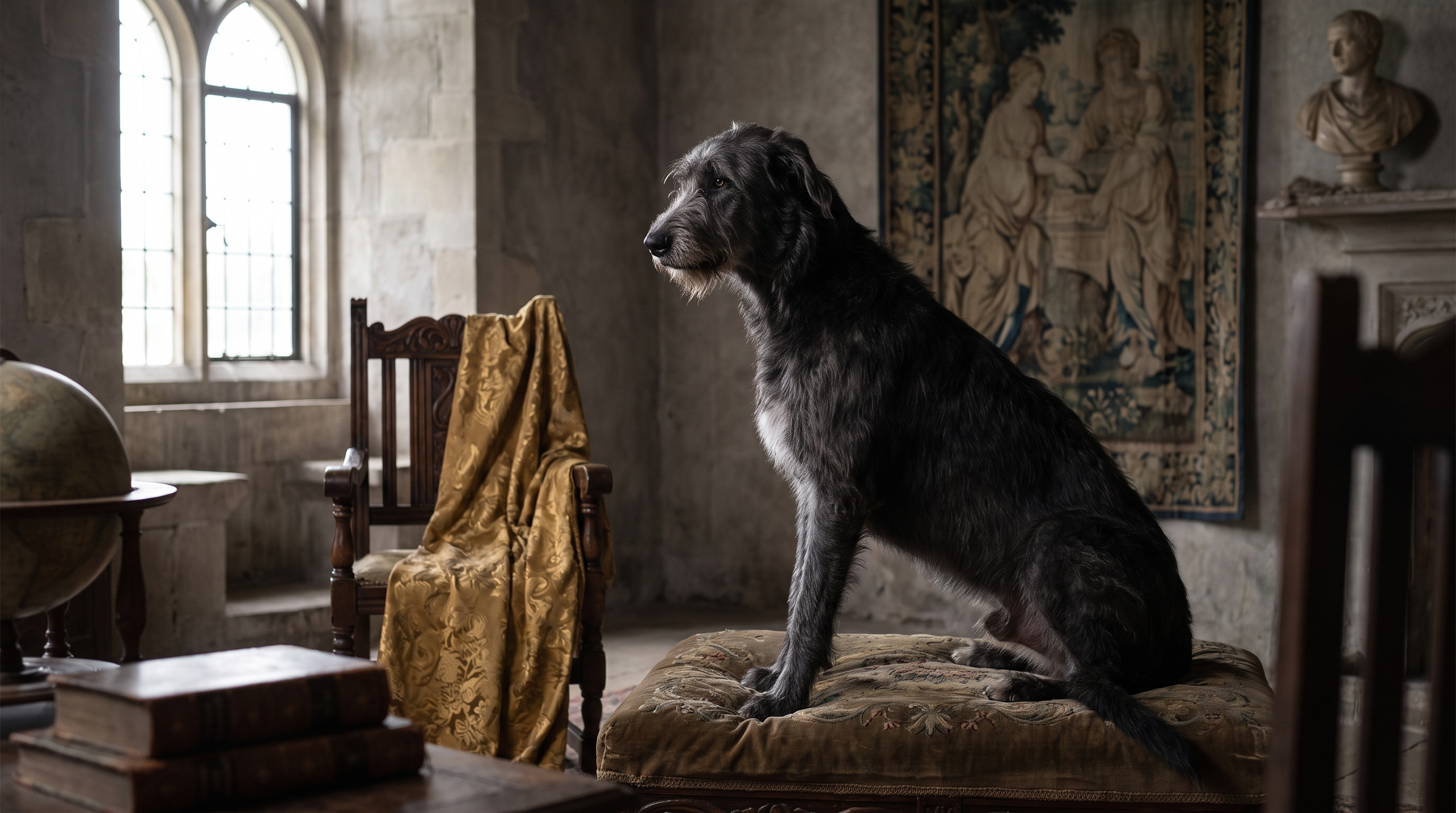

What Are Dog Breeds for Renaissance Portrait Photography?
Dog breeds for renaissance portrait photography are canines whose features, coat, and bearing translate naturally into the timeless, painted aesthetic of old-master art. Renaissance-style portraits turn your pet into the kind of painting you would see in a museum, the one where a duke's hunting dog stares out from a gilded frame with more dignity than most people manage in their driver's license photo. The style communicates permanence and seriousness — it makes your dog look like they belonged to royalty, even if their favorite hobby is stealing socks.
Renaissance portraits are highly popular because they suit almost every breed and work beautifully as gifts. The formality flatters dogs in a way that casual snapshots cannot. When you hang one, people stop and look. They ask questions. It is art that honors both the old masters and your beloved companion, and it does not require your dog to sit still in a studio or wear a ridiculous costume.
The best custom dog paintings from your photo start with understanding which breeds naturally carry the Renaissance look — the ones whose features, coat, and bearing translate into that timeless, painted aesthetic. Some dogs were practically born for velvet collars and moody lighting. Others need a little more care in how you frame the shot. By the end of this, you will know exactly which breeds shine brightest in Renaissance style and how to set them up for a portrait worth framing.
Renaissance pet portraits bridge the gap between old master paintings and modern pet photography, creating conversation pieces that honor both art history and your beloved companion.
The Renaissance aesthetic is not about perfection — it is about presence. The dogs that work best in this style are the ones who look like they have something to say, who hold the frame with a little weight. Whether your dog is a noble setter or a scruffy terrier, the right approach turns them into a portrait that feels expensive, serious, and unmistakably them.
Which Dog Breeds Work Best for Renaissance Portraits?
Here is the thing about Renaissance portraits: they work best when the dog already looks like they belong in a velvet cape. Some breeds just have that built-in gravitas — the bone structure, the coat, the expression that says "I have seen empires rise and fall." Others bring something unexpected, a contrast that makes you smile every time you walk past the frame.
Golden Retrievers: Warm and Dignified
Golden retrievers are the Renaissance portrait sleeper hit. They have expressive faces, soft coats that catch light beautifully, and a warmth that translates straight through the paint. Put them in Renaissance attire and they look dignified without losing that gentle, soulful quality. The trick is capturing their eyes — that is where all the personality lives. A good photo of a golden at their eye level, with soft natural light, does most of the work for you.
French Bulldogs: The Comedic Royalty
French bulldogs in Renaissance portraits are pure joy. The contrast between their goofy, wrinkled face and the gilded collar or velvet robe is what makes it work. They have unique features — the bat ears, the flat face, the wide-set eyes — that hold up under the formality of the style. It is the one you keep coming back to because it makes you laugh and feel something at the same time. Choose a photo where their personality is front and center; let the era you choose do the rest.
Setters, Spaniels, and Hounds: The Classic Nobles
If you want a portrait that looks like it could hang in a European manor house, setters and spaniels are your answer. Long ears, refined features, coats that fall in natural waves — they were practically painted for this. Hounds bring that same aristocratic bearing, with lean faces and serious expressions that suit the grandeur of Renaissance court paintings. Think Caravaggio meets your Labrador: dramatic light, rich color, a sense of presence that fills the frame.
The best Renaissance portraits are the ones where the dog looks like they have always been royalty — they just forgot to tell you.
For a deeper look at how different breeds translate into custom dog paintings from your photo, the key is matching the breed's natural traits to the style's strengths. Renaissance portraits love texture, depth, and a little drama — so any dog with a strong profile or expressive coat is already halfway there. If you are considering a portrait as a memorial piece, pet memorial portraits offer a lasting tribute that honors your companion's presence.
How Do You Choose the Right Dog Breed for Renaissance Style?
Here is the thing about picking the right dog for a Renaissance portrait: it is not about which breed is "best" — it is about which one actually looks like themselves in that style. The photo everyone gets wrong is the one where they force a sleek, modern-looking dog into a heavy, dramatic frame. It does not work. Trust me on this.
The era you choose has to match what your dog already is. Renaissance portraits lean dramatic and dignified — warm earth tones, soft shadows, a little mystery. That style flatters dogs with texture, depth, and presence. If your dog has a fluffy coat, expressive eyes, or a naturally regal bearing, Renaissance is worth hanging. If they are lean, angular, or built for speed, you might want to skip it.
What to Look For in Your Dog
Start with their coat. Renaissance portraits love texture — long fur, feathering, anything that catches light and creates depth. Breeds with flowing coats (setters, spaniels, collies) translate beautifully because the soft, layered brushwork mimics how old masters painted fabric and hair. Short-coated breeds can work too, but you lose some of that painterly richness.
Next, consider their build and expression. Renaissance portraits favor dogs who look composed, not hyperactive. A dog with a broad chest, steady gaze, or naturally upright posture will feel at home in the style. This is the part people skip: they pick a breed they love without asking if that breed's energy matches the mood of the painting. A terrier mid-bark is not going to look dignified — no matter how good the artist is.
Matching Personality to Style
Your dog's personality matters more than you think. Renaissance portraits are formal, a little serious, and deeply atmospheric. If your dog is goofy, bouncy, or perpetually in motion, forcing them into this style can feel off. You want something that actually looks like her — not a stranger who happens to have her collar.
That said, you do not need a naturally serious dog. You just need a photo where they are calm, focused, and at their eye level with the camera. A playful Lab can absolutely work if you catch them in a quiet moment. The shot that actually works is the one where their expression feels timeless — not frozen mid-zoomie.
For a deeper look at how to find that perfect photo, check out how to choose the right photo for a pet memorial portrait — the same principles apply whether it is a memorial or a gift.
Color and Tone Considerations
Renaissance portraits use warm earth tones and soft, diffused lighting — what the old masters called sfumato. Dogs with rich, warm coat colors (reds, golds, deep browns, blacks) look stunning because they blend naturally into that palette. White or very light-colored dogs can work, but they need strong contrast in the background or clothing to keep them from washing out.
This is where the little details that sell it come in: if your dog is pale, make sure the background or costume has enough depth to frame them. If they are dark, let the photo breathe with softer tones around them. Good light does most of the work — a window-lit photo with warm, indirect light is already halfway to Renaissance before the artist even starts.
What Should You Know Before Commissioning a Renaissance Dog Portrait?
Here is the thing about getting a Renaissance portrait of your dog: the photo you send in does most of the work. You want natural light — ideally at their eye level — and a shot where their expression feels like them. Good light does most of the work, and you do not need a studio for that. A window on an overcast afternoon is often better than anything you can rig with lamps.
Pick the Photo Everyone Keeps Coming Back To
You will know it when you see it. It is the one where your dog looks engaged, ears forward or relaxed, and the light hits them just right. Skip the blurry action shots and the ones where they are mid-yawn. You want something that actually looks like your dog — not a stranger who happens to have their collar. The photo you keep pulling up on your phone is usually the one worth hanging.
What the Portrait Tool Does (and Doesn't Do)
The Portrait Masterpiece tool is designed to preserve your dog's likeness while applying real painting styles. That means the breed-specific details — the setter's feathering, the hound's expression, the terrier's wiry coat — stay intact even as the image takes on that soft, warm, and a little dramatic Renaissance feel. It does not turn your dog into someone else's dog. It does not guess at features the photo does not show. What you send in is what you get back, painted.
If the photo is underexposed or cropped too tight, the tool will work with what is there — but it cannot invent detail that does not exist. This is the part people skip: spend five minutes finding the right shot, and the portrait takes care of itself.
Let the Photo Breathe
Leave a little space around your dog in the frame. If their ears are clipped at the top or their chest is cut off at the bottom, the final portrait will feel cramped. You want headroom and a bit of shoulder — enough that the composition feels intentional, not accidental. The era you choose matters too, but the framing is what makes it feel like a portrait worth framing rather than a snapshot that got painted over.
A portrait worth hanging starts with a photo that already has the bones of good composition — the painting style just brings it home.
For more guidance on choosing the right image, especially if this is a memorial or gift portrait, see how to choose the right photo for a pet memorial portrait — the principles are the same whether the portrait is celebratory or commemorative. If you are looking for thoughtful ways to honor a companion, explore pet memorial gifts for someone who lost a dog or cat.
What to Avoid
Skip photos where your dog is backlit or in harsh overhead sun. Skip the ones where they are looking away or their face is in shadow. Skip anything where the background is so busy it competes with them. The little details that sell it — the catch light in their eye, the texture of their coat, the way their expression reads even from across the room — all of that comes from the source photo. It does not have to be perfect, but it does have to be clear.
Trust me on this: the five minutes you spend scrolling through your camera roll will save you from a portrait that feels off when it arrives. You want the one that makes you smile every time you see it. That is the one to send.
Frequently Asked Questions About Dog Breeds for Renaissance Portrait
Which dog breeds photograph best in Renaissance style?
Setters, spaniels, hounds, golden retrievers, and French bulldogs naturally suit Renaissance portraits because of their expressive features, textured coats, and dignified bearing. Any breed with a strong profile or flowing coat translates beautifully into the style's warm, layered aesthetic.
Can short-haired dogs work in Renaissance portraits?
Yes. Short-haired breeds can work well in Renaissance portraits, though they lose some of the painterly texture that long coats provide. The key is capturing a strong expression, good lighting, and enough contrast in the background to give the portrait depth and presence.
What photo qualities matter most for Renaissance dog portraits?
Natural light, eye-level framing, and a calm expression are the most important elements. Avoid harsh shadows, busy backgrounds, and action shots. A window-lit photo with your dog looking engaged and relaxed will translate beautifully into the Renaissance style.
Do Renaissance portraits work for mixed-breed dogs?
Absolutely. Renaissance portraits work for any dog with a photo that captures their personality and presence. Mixed breeds often bring unique features that make the portrait even more interesting — the style honors the individual dog, not the pedigree.
Conclusion
Here is the thing: any dog can look regal in a Renaissance portrait. You do not need a setter or a hound with a pedigree — you need a photo you love and the willingness to see your dog the way those old painters saw their subjects. Soft light, a calm expression, and a little bit of that timeless dignity that comes through when your dog is just being themselves.
Renaissance portraits are the most popular style for pet portraits, and they work for almost every breed because the format does the heavy lifting. The rich backgrounds, the warm tones, the careful framing — all of it conspires to make your dog look like they belong in a museum. Whether you have a scruffy terrier or a sleek greyhound, the style adapts. It honors both the art history and the dog in front of you.
If you are thinking about turning a favorite photo into something you would actually hang, custom dog paintings from your photo are worth exploring — not just for the wall, but for what they say about how you see your dog. You will know it when you see it: the portrait that feels like them, painted, soft, and a little dramatic. That is the one worth framing.
Trust me on this — the photo you keep coming back to is probably the right one. Let the era you choose do the rest.