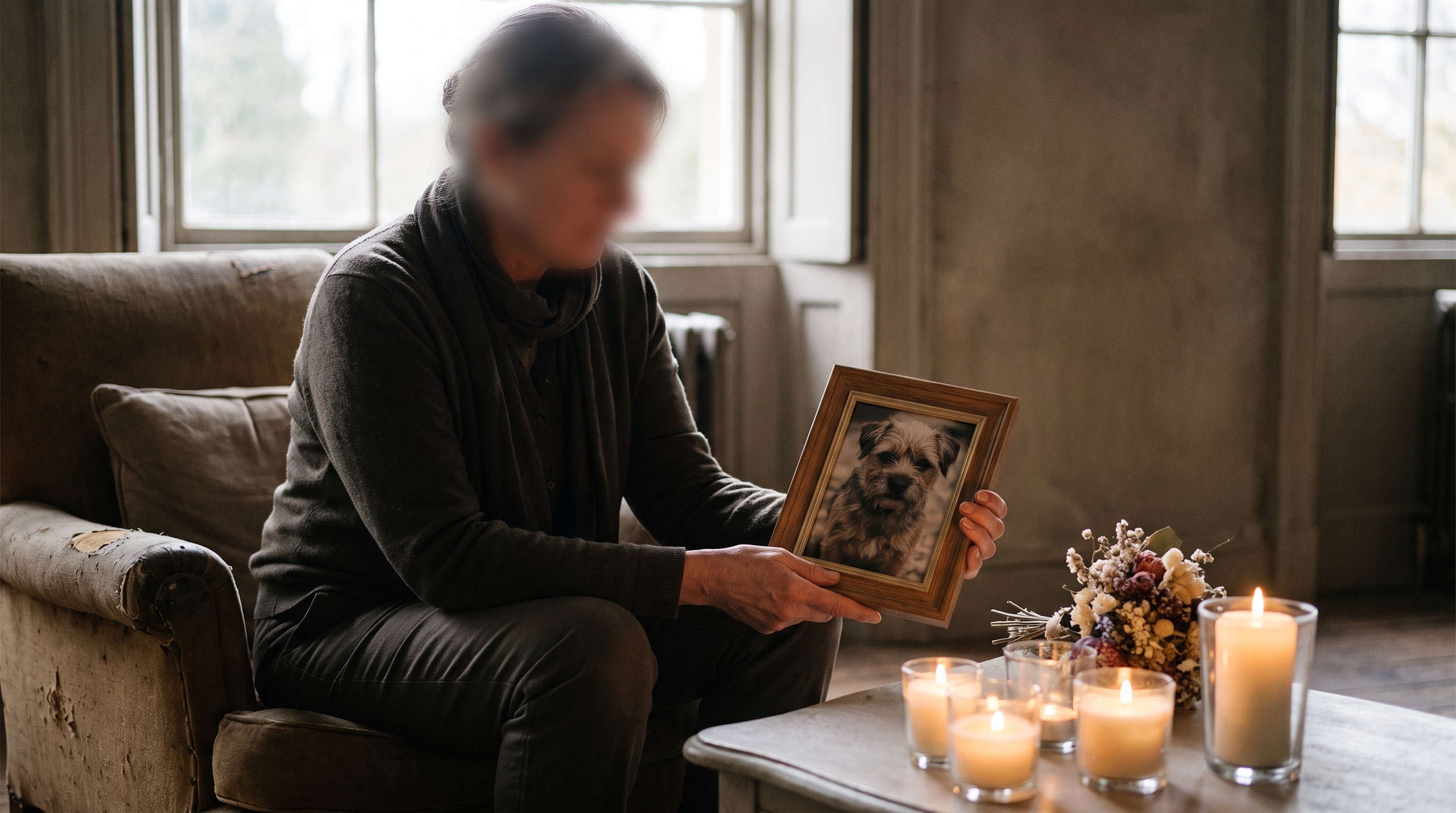

Pet Memorial Gifts: Meaningful Options for Someone Who Lost a Dog or Cat
Pet memorial gifts are keepsakes and tributes designed to honor a beloved dog or cat after they pass, offering comfort to those who grieve. When someone you care about loses a pet, the grief is real, and it catches people off guard. You think you are ready, and then the house is too quiet and the routine falls apart. A thoughtful pet memorial gift can be one of the few things that actually helps.
The photo everyone gets wrong is the one they try to replace. You cannot replace the dog or the cat, and you should not try. What you can do is give them a way to keep that specific animal close — something that says their name, shows their face, or captures the little details that made them who they were. That is what a good pet memorial gift does.
Personalized keepsakes work because they are about that pet, not pets in general. A custom dog painting from your photo or a paw-print frame with their name engraved — those are the gifts people keep in the room. They let the person hold onto something real without pretending the loss did not happen.
In the sections ahead, you will see a range of pet memorial gift ideas — from portraits and jewelry to memory books and donation options. The goal is to help you choose something that feels right for the person and the pet they lost, without pressure or guesswork.
Explore meaningful pet memorial gift ideas to support friends and family grieving the loss of a beloved dog or cat.
Understanding the Need for Pet Memorial Gifts
Here is the thing about losing a pet: most people are not ready for how hard it hits. The grief is real, and it is big — 67% of people who lost a pet said they were shocked by the intensity of their grief, and 93% said they felt heartbroken. When someone you care about is going through that, a thoughtful pet memorial gift tells them their grief is valid and their pet mattered.
The right gift does not fix the loss, but it does something important: it keeps the pet in the room. It gives grief a place to land. A custom dog painting from your photo or a custom cat portrait tied to the specific animal — not a generic sympathy item — is more likely to be kept and cherished. That is the part people skip when they reach for a standard condolence card.
Why Memorial Gifts Matter
Pets are family. Sixty percent of people who lose a pet viewed them as a family member, not just an animal they lived with. That means the loss deserves recognition, and the person grieving deserves support that reflects the relationship they had. A pet memorial gift says, "I see what you lost, and I am here."
A memorial gift that honors the specific pet — not just the idea of loss — becomes something they return to when they need to feel close again.
The gifts that work best are the ones that feel personal. Something with the pet's name, a portrait that looks like them, or an item that connects to a specific memory. These are not things that get put in a drawer. They become part of how someone remembers and honors what they had.
Timing and Approach
You do not have to get it perfect in the first week. Send a card with the pet's name and a specific offer of help early on — "I can walk your other dog Tuesday" beats "Let me know if you need anything." Then, in the following weeks, consider a keepsake. That is when the shock wears off and the quiet sets in, and that is when something tangible to hold onto matters most.
Pet memorial gifts are not about making someone feel better right away. They are about giving grief a shape, a place, and a way to stay connected to what was loved. That is the work they do, and it is worth doing right.
Top Pet Memorial Gift Ideas
Here is the thing about pet memorial gifts: the best ones give someone a way to keep their pet in the room without making the grief feel heavier. You want something that feels like them — not generic, not pushy, just quietly there when they need it.
These are the gifts that actually work.
Custom Pet Portraits
A custom dog painting from your photo or a custom cat portrait turns a favorite memory into something they can hang and see every day. The photo you choose matters — pick one where the light is good and the expression feels right. Soft, warm, and a little dramatic is the sweet spot. Renaissance or watercolor styles work beautifully for memorials because they add weight without feeling stiff.
You can also commission artwork that incorporates a pet's ashes directly into the portrait, creating a one-of-a-kind keepsake that holds both the image and a physical connection.
Cremation Jewelry
Cremation jewelry holds a small portion of ashes in a sealed chamber, often shaped like a paw print or heart. It is discreet, wearable, and lets someone carry their pet with them. This is the gift for people who want something close — literally. It does not announce itself, but it is always there.
Personalized Memorial Stones
A garden stone engraved with the pet's name and dates gives grief a place to land. You can set it in a flowerbed, under a tree, or anywhere that feels like theirs. The stone stays put, weathers the seasons, and becomes part of the landscape. It is quiet, permanent, and worth keeping.
Memory Tree Keepsakes
Some sanctuaries and memorial programs offer a Memory Tree option where a handmade keepsake — often with a photo and details about the pet's life — is placed on a communal tree. It is a way to share the memory in a space designed for remembering, and it connects the person to a community of others who understand.
Custom Memorial Songs
A custom song with the pet's name, habits, and personality woven into the lyrics is an unexpected gift that hits differently. Music holds memory in a way photos cannot. It is something they can listen to when they want to feel close, and it does not take up space on a shelf.
The best memorial gifts do not try to fix anything — they just make space for what was.
How to Choose the Right Gift
Here is the thing about memorial gifts: the one that feels right to you is not always the one that lands right with them. You want something that actually honors their grief — not a stranger's idea of what grief should look like. That means thinking about who they are and how they move through loss.
Start with the basics. Was the loss sudden or did they have time to prepare? Someone who watched their dog decline over months is in a different place than someone whose cat was hit by a car last week. The first might be ready for something they can hold or display. The second might not be able to look at a photo yet.
Know Their Grieving Style
Some people want to talk about their pet constantly. Others go quiet and private. If they are posting photos and stories, they will probably appreciate something visible — a portrait, a garden stone, something that keeps the memory in the room. If they have gone quiet, lean toward something they can tuck away and pull out when they are ready.
Consider the household too. Are there kids who are also grieving? Other pets who might be confused? A family with young children might do better with something tangible they can all touch or see together. A single person living alone might want something more personal and intimate.
Match the Gift to the Person
Think about what they already love. Do they wear jewelry? Garden? Collect art? A memorial gift works best when it fits into their life, not when it demands they create a new ritual around it. Someone who never wears necklaces will not suddenly start because it has their dog's name on it.
The photo you choose matters too. If you are giving something with an image, pick the one they keep coming back to — the shot on their desk, the one they texted you three times, the lock screen they have not changed in a year. That is the photo that actually feels like their pet, and that is the one worth turning into something permanent.
Many traditional pet loss gifts, like engraved objects, may not resonate as deeply as more personalized or experiential gifts.
When to Give It
Timing is harder than people think. Right after the loss, they might not be ready for anything. A week or two later, when the shock has worn off but the house still feels empty — that is often when a thoughtful gift lands best. You do not have to rush it. Grief does not have a deadline, and neither does a meaningful gesture.
If you are still unsure, ask. Not in a vague way — be specific. "I want to get you something to remember Max. Would you rather have a portrait you can hang or something small you can carry?" Most people will tell you exactly what they need if you give them the opening.
Frequently asked questions
What should I write in a sympathy card for someone who lost a pet?
The most common mistake is not saying the wrong thing — it is saying nothing, which reads as though the loss did not register. Start by acknowledging the pet by name. Specificity comforts people more than general sympathy. Keep it short: "I am so sorry about Max. He was lucky to have you." If you knew the pet, add one detail you remember — the way he greeted you at the door, or how she always sat in that one sunny spot. That is what people hold onto.
When is the right time to send a memorial gift?
Send a card with the pet's name and a specific offer of help in the first week — something concrete like "I will drop off dinner Tuesday" or "Let me know if you need someone to sit with you." Consider a keepsake in the following weeks, after the initial shock has passed. That is when people start looking for ways to remember, and a custom dog painting or framed portrait feels less overwhelming and more like the tribute they want.
Is it okay to give a memorial gift if the loss happened months ago?
Yes. Grief does not follow a calendar, and people appreciate being remembered long after everyone else has moved on. A portrait or keepsake sent three or six months later says you are still thinking of them — and that their pet still matters. You do not need to explain the timing. Just send it.
What if I never met the pet?
You can still send something meaningful. Ask for a favorite photo, or choose a gift that honors the bond without requiring personal knowledge of the pet. A simple framed portrait or a memorial ornament works because it reflects what the person is feeling, not what you witnessed. The gesture is what counts.
Should I avoid certain types of gifts?
Avoid anything that implies replacement — new pet supplies, adoption referrals, or "you will get another one" messaging. Skip overly cheerful or cutesy items that minimize the loss. Stick with gifts that acknowledge the specific animal and the weight of what happened. If it feels like it is rushing them forward, it is the wrong gift.
Conclusion
Here is the thing about pet memorial gifts: they do not fix anything, and they are not supposed to. What they do is say, quietly and clearly, that the bond mattered. That the loss is real. That you see it.
The right gift is not the most expensive one or the one with the most features. It is the one that feels like them — the pet who left, and the person who is still here, missing them. A custom dog painting from your photo or a simple framed print can sit in the room where the dog used to sleep and keep them present without being painful. A blanket or a journal can make the everyday a little softer. The best pet memorial gifts are the ones people keep coming back to, the ones that feel like comfort instead of pressure.
Trust me on this: if you are not sure what to send, a portrait is almost always safe. It honors the specific animal, it does not demand anything from the griever, and it gives them something worth hanging when they are ready. You do not need to get it perfect — you just need to show up.