
Introduction
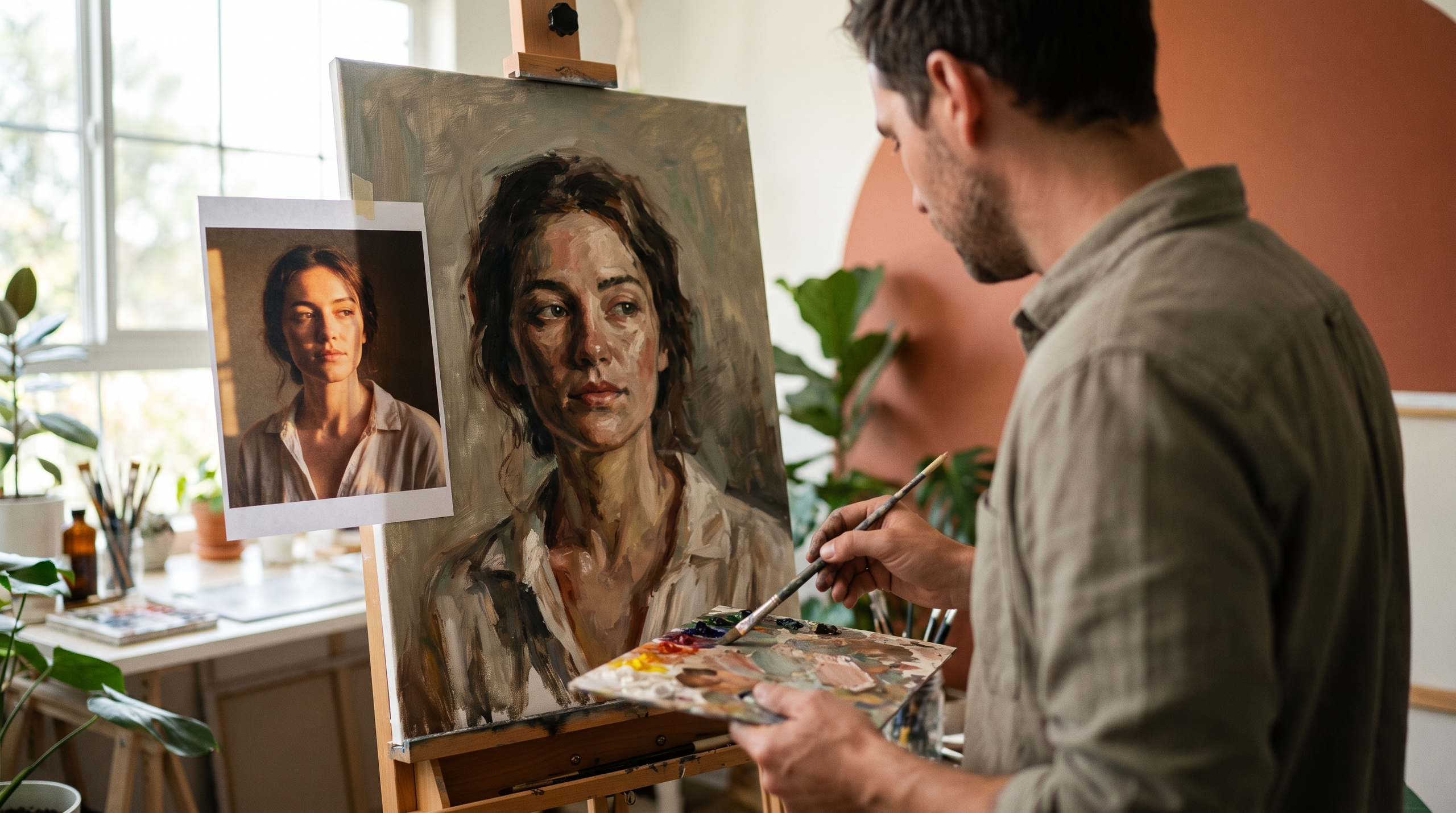
Here is the thing about turning a photo into a painting: the one you love on your phone is almost never the one that makes a great portrait. That shot of your dog mid-zoomie might be hilarious, but it will not translate well to canvas. The photo you keep coming back to — the one where the light is soft and their expression feels like them — that is your winner.
A custom painting from a photo is exactly what it sounds like. You hand over a picture, and an artist (or a skilled service) transforms it into painted art. It could be your pet in Renaissance garb, your family in watercolor, or a memorial portrait of someone you lost. The process is straightforward, but getting it right requires knowing which photo to choose and what to expect along the way.
Most people skip the part where they actually look at their photo with a critical eye. They send the first one they find, then wonder why the final painting feels off. If your photo is blurry, dark, or has your subject tiny in the corner, no amount of artistic skill will fix that. You need a high-resolution image, good light, a subject that fills most of the frame, and a simple background. If your photo ticks those boxes, you are ready to start.
The custom painting process is not mysterious — it is a series of clear steps from photo selection to final delivery. Understanding what happens at each stage helps you make better decisions and communicate what you actually want. Whether you are commissioning a dog portrait in watercolor, oil, or Renaissance style, the fundamentals stay the same: start with a strong photo, choose a style that suits your subject, and work with someone who gets what you are after.
By the end of this, you will know exactly how the process works, what to look for in an artist or service, and how to avoid the mistakes that leave people disappointed. Let the photo breathe, trust the process, and you will end up with something worth framing.
The Custom Painting Process
Here is the thing about turning a photo into a painting: the process is simpler than you think, but the details matter. You start with a photo you love, choose a style that fits, and let the artist — or the technology — do the work. The trick is knowing what happens at each step so you can get something worth hanging.
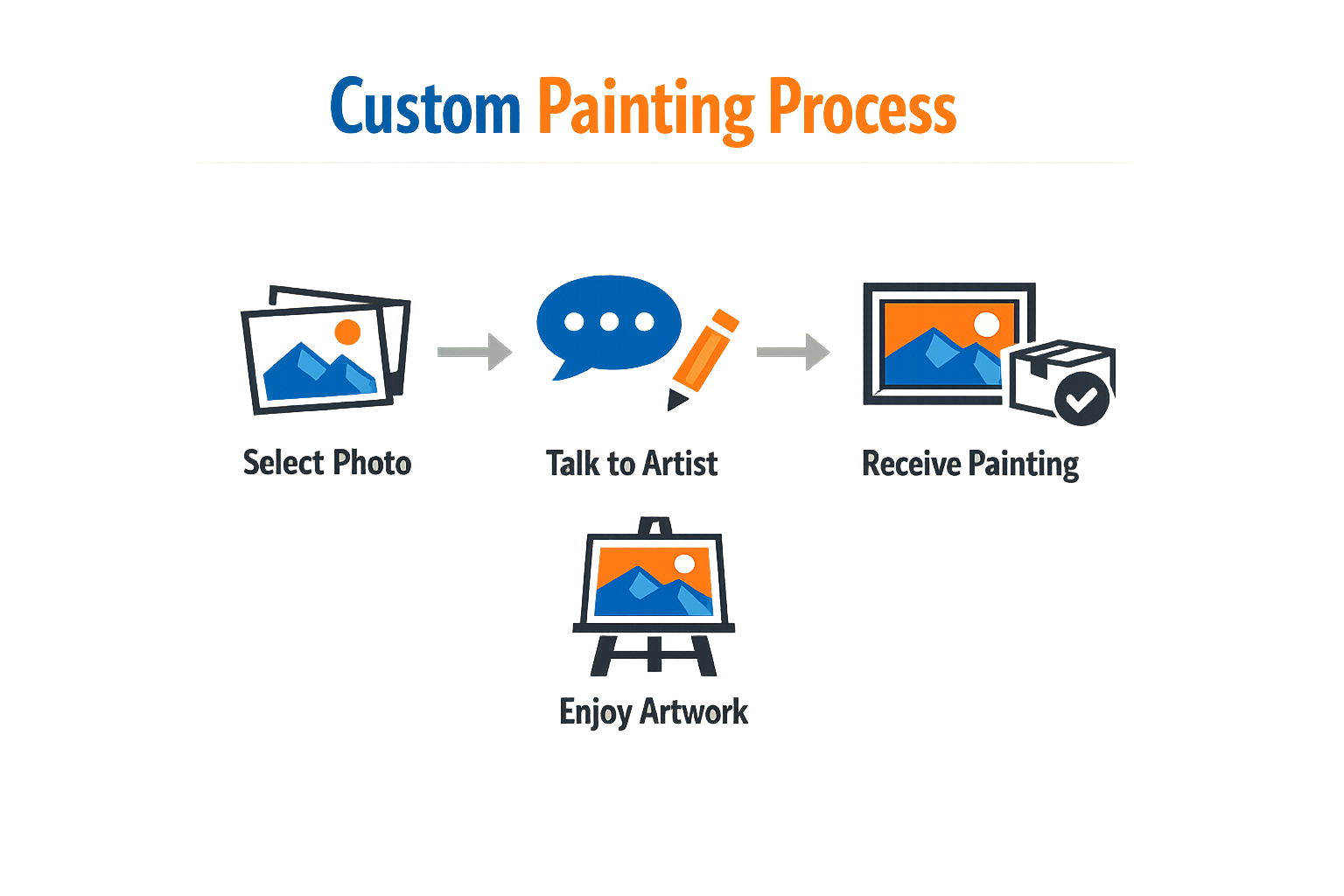
Most custom painting workflows follow the same basic shape. You submit your photo, pick a style and size, review a proof or preview, and then receive the finished piece. The timeline and level of interaction vary depending on whether you are working with a traditional artist or a digital service, but the core steps stay consistent.
Step 1: Selecting and Submitting Your Photo
The photo you choose is everything. You want sharp focus, good light, and an expression that feels like the subject — whether that is your dog mid-zoomie or your grandmother on her wedding day. Blurry, dark, or cluttered photos can work, but they make the artist's job harder and the result less predictable.
Most services accept digital uploads in standard formats (JPEG, PNG). If you are working with a traditional artist, they may ask for a high-resolution file or even a physical print. Either way, submit the best version you have — not a screenshot or a thumbnail pulled from social media.
Step 2: Choosing a Style and Medium
This is where you decide what the painting will look like. Watercolor, oil, Renaissance, royal — each style suits different subjects and spaces. A playful watercolor works for a young pet or a casual family photo. A formal oil or Renaissance portrait fits a dignified older dog or a memorial piece.
If you are using a digital service, you will often see style previews or sample galleries. Traditional artists will show you their portfolio and discuss what they think works best for your photo. Trust your gut — you will know it when you see it.
For more on how different styles perform, see Dog Painting Styles: Watercolor vs Oil vs Renaissance.
Step 3: Review and Approval
Once the artist or system generates the painting, you get a preview. This is your chance to request adjustments — tweaking colors, refining details, or changing the background. Some services offer one round of revisions; others are more flexible.
Step 1
Review the proof carefully
Zoom in on the face, the eyes, and any details that matter to you. If something feels off — the expression, the proportions, the background — say so now. Most artists would rather fix it at this stage than after printing.
Digital services using AI art often generate multiple versions so you can pick the one you like best. Traditional artists may sketch a preliminary version before committing to the final painting. Either way, this step is where you make sure the portrait feels like them.
Step 4: Printing and Delivery
Once you approve the design, the painting gets printed on canvas, paper, or another medium you chose. High-quality prints use archival inks and materials that resist fading. Cheap prints look fine at first but lose their punch over time — the difference shows up a year later, not the day you unbox it.
Shipping timelines vary. Digital services can often print and ship within a week. Traditional hand-painted commissions may take several weeks or months, depending on the artist's workload and the complexity of the piece. Either way, the final product should arrive ready to hang or frame.
What Makes the Process Smooth
The best experiences happen when you know what you want, communicate clearly, and pick a service or artist whose style matches your vision. Start with a strong photo, be specific about what matters to you, and trust the process. The little details — good light, a clear expression, a style that fits the subject — are what sell it.
You do not need a studio or professional photography skills. You just need a photo you keep coming back to and a process that respects it.
Choosing the Right Artist
Here is the thing about choosing an artist for a custom painting from a photo: the portfolio tells you everything you need to know before you say a word. You are not looking for someone who can paint — you are looking for someone who paints the way you want your photo to look on the wall. That means scrolling past the pretty stuff and asking yourself if their style actually matches what you have in mind.
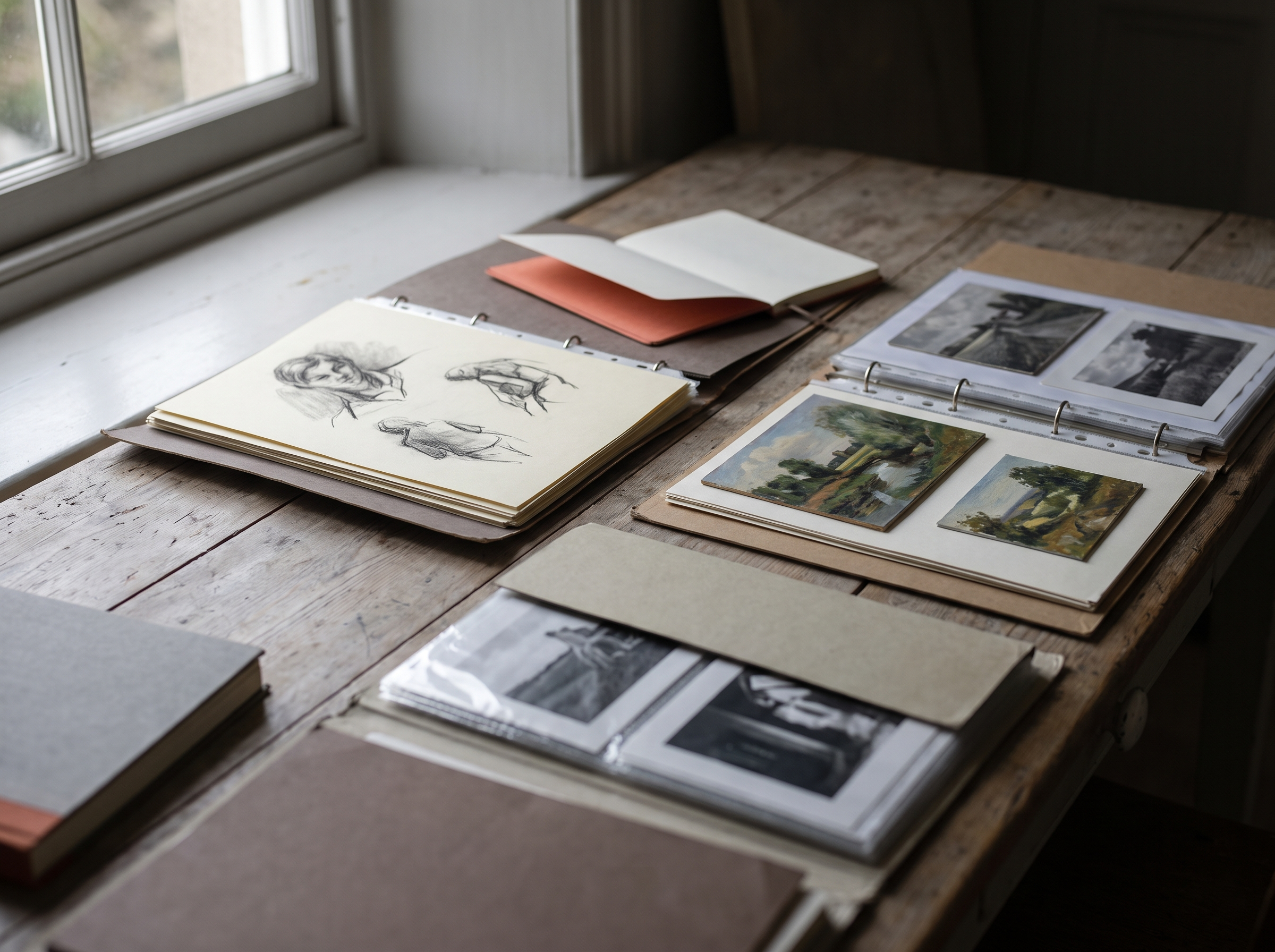
Start with their past work. Does the artist specialize in pets, people, or both? Do they lean toward soft watercolors, bold oils, or something more formal like Renaissance portraits? The style you choose sets the tone for the whole piece, so make sure their usual output is close to what you are picturing. If every sample in their portfolio feels like a stranger's taste, keep looking.
What to Look for in a Portfolio
You want consistency. An artist who can deliver one great painting is nice — an artist who delivers that same quality every time is the one you hire. Look for clean lines, good proportions, and attention to the little details that sell it: the glint in an eye, the texture of fur, the way light hits a face. Those are the things that make a portrait worth hanging, not just technically correct.
Pay attention to how they handle different lighting conditions and backgrounds. A good artist can work with a phone photo taken in your living room and still make it look intentional. If their portfolio only shows studio-quality reference images, ask yourself whether your photo is up to that standard — or whether they can adapt.
Communicating Your Vision
Once you have narrowed it down, the next step is talking through what you actually want. This is the part people skip, and it shows in the final painting. Be specific about style, mood, background, and any details that matter to you. If you want your dog painted in a royal costume, say that up front. If you want soft, warm tones and a plain background, say that too.
Describe the desired effect in detail: artistic style, lighting, colors, camera angle, and composition. The more context you give, the closer the result will be to what you had in mind. A well-written brief maintains visual consistency and saves everyone time on revisions.
The artist you choose should feel like a collaborator, not a stranger guessing what you want.
Ask about their revision policy before you commit. Most artists include one or two rounds of edits, but clarify what counts as a revision and what costs extra. If you are particular about details, you will want that flexibility built in.
Trust Your Gut
At the end of the day, you will know it when you see it. If an artist's portfolio makes you stop scrolling and think, "That is exactly what I want," trust that instinct. If you are trying to talk yourself into someone because they are cheaper or faster, pause. The painting is going on your wall for years — it is worth getting the right person the first time.
Tips for a Successful Commission
Here is the thing about commissioning a custom painting from a photo: the process itself is straightforward, but a few smart moves upfront will save you weeks of back-and-forth and get you a portrait you actually want to hang.
Most people skip the prep work and then wonder why the final piece does not feel right. Let me walk you through what actually makes a commission go smoothly.
Start With a Photo You Trust
The photo you choose does most of the heavy lifting. You do not need a professional studio shot — most successful custom paintings come from ordinary phone photos, provided they are clear and meet the quality criteria. Good light, a clean background, and your subject at eye level will get you 90 percent of the way there.
If you are stuck choosing between a few favorites, go with the one you keep coming back to. That instinct usually means the expression or moment feels right, and that is what you will want preserved in paint.
Communicate What You Want — and What You Do Not
Be specific about the style and era you are after. If you want a Renaissance portrait, say so. If watercolor feels too soft and you prefer something with more weight, mention that upfront. Artists can work with direction, but they cannot read your mind.
It also helps to flag anything you do not want changed. If your dog has a white patch on her chest that makes her who she is, say so. If you love the background exactly as it appears in the photo, make that clear. The little details that sell it are often the ones people assume will just carry over — but assumptions cost time.
Know Your Timeline and Budget
Custom work takes time. Even digital paintings require multiple rounds of review, and hand-painted commissions can stretch weeks depending on the artist's queue. If this is a gift, build in extra time — rushing a portrait rarely improves it.
Budget matters too, but it is less about finding the cheapest option and more about understanding what you are paying for. A portrait worth framing costs what it costs because someone is translating your photo into something that feels like art, not a filter. If the price feels too low, the result probably will too.
The cheapest commission is rarely the one you end up keeping on the wall.
Plan for Revisions
No portrait lands perfectly on the first draft. Expect at least one round of tweaks — maybe the expression is slightly off, or the background needs to breathe a little more. Good artists build revision rounds into the process, so ask upfront how many are included and what happens if you need more.
This is the part people skip: actually looking at the draft and naming what feels wrong. Do not just say "it does not look right" — point to the specific element. Is it the angle of the ears? The color of the collar? The more precise you are, the faster the fix.
Think About Display Before You Finalize
Once the painting is done, you will want to show it off. Think about where it will hang and what size makes sense for that space. A portrait that works beautifully as an 8x10 on a shelf might feel lost as a 24x36 on a big wall, and vice versa.
If you are creating custom wall art or a personalized gift, consider the recipient's home too. A bold royal portrait might be perfect for someone with a gallery wall, but overwhelming for a minimalist space. Let the portrait fit the room it will live in.
Popular Uses for Custom Paintings
People commission portraits for all kinds of reasons: memorial pieces, holiday gifts, profile pictures with a little more personality, or just because they want their pet painted and on the wall. Some use them as art references for mood boards or design projects. The point is, there is no wrong reason — if the photo matters to you, it is worth painting.
What makes a commission successful is not the occasion; it is whether the final piece feels like the subject. If it does, you will know it when you see it.
Conclusion: Enjoying Your Custom Painting
Here is the thing about custom paintings from photos — they are worth hanging because they keep the people and pets you love in the room with you. Not buried in your camera roll, not waiting for someday. Right there on the wall, at their eye level, where you see them every morning.
Once your painting arrives, the work is done. All that is left is to hang it somewhere you will actually look at it — not tucked in a hallway or behind a door. Good light does most of the work here. Natural light is ideal, but avoid direct sun that will fade the canvas over time. A spot across from a window or under soft overhead lighting lets the portrait breathe without washing it out.
Caring for Your Custom Art
Canvas prints are low-maintenance, but a little care goes a long way. Dust the surface gently with a soft, dry cloth every few months. Skip the glass cleaner or anything wet — canvas does not need it and moisture can damage the finish. If you ordered a framed piece, treat the frame the same way you would any wood furniture: wipe it down, keep it out of humid spots like bathrooms, and you are set.
For unframed canvases, the edges matter. Most prints wrap the image around the sides, so there is no need to frame them unless you want to. If you do frame later, make sure the framer knows it is a canvas print — standard glass-front frames can trap moisture and warp the material.
Display Ideas That Work
Your custom painting from a photo can anchor a gallery wall, stand alone as a statement piece, or join a collection of family portraits. The era you choose — Renaissance, watercolor, royal — sets the tone for the rest of the room, so think about what feels like them. A regal dog portrait pairs well with dark walls and vintage frames. A soft watercolor cat fits right into a light, airy space with white or pastel surroundings.
If the painting is a gift, let the recipient know it is ready to hang as-is. No studio required, no complicated install. Just a nail, a level, and a spot that gets noticed. For memorial portraits, many people place them near a window or on a shelf with a candle or flowers — somewhere that invites a quiet moment.
The little details that sell it: make sure the portrait is hung at eye level, not too high. The center of the canvas should sit around 57 to 60 inches from the floor, the same height museums use. If you are hanging multiple pieces, keep the spacing consistent — about 2 to 3 inches between frames keeps it clean without feeling crowded.
Trust me on this: the photo you kept coming back to, the one you finally turned into a custom painting, deserves to be seen. Not someday. Now. Whether it is your dog in a velvet robe or your grandmother's smile painted in soft, warm tones, it is art because it is yours. And that is the whole point.
If you are still deciding which photo to use or what style fits best, check out our guide on dog painting styles to see how watercolor, oil, and Renaissance treatments bring out different sides of the same portrait.
Explore the custom painting process from your photos, including steps, artist selection, and tips for a successful experience.