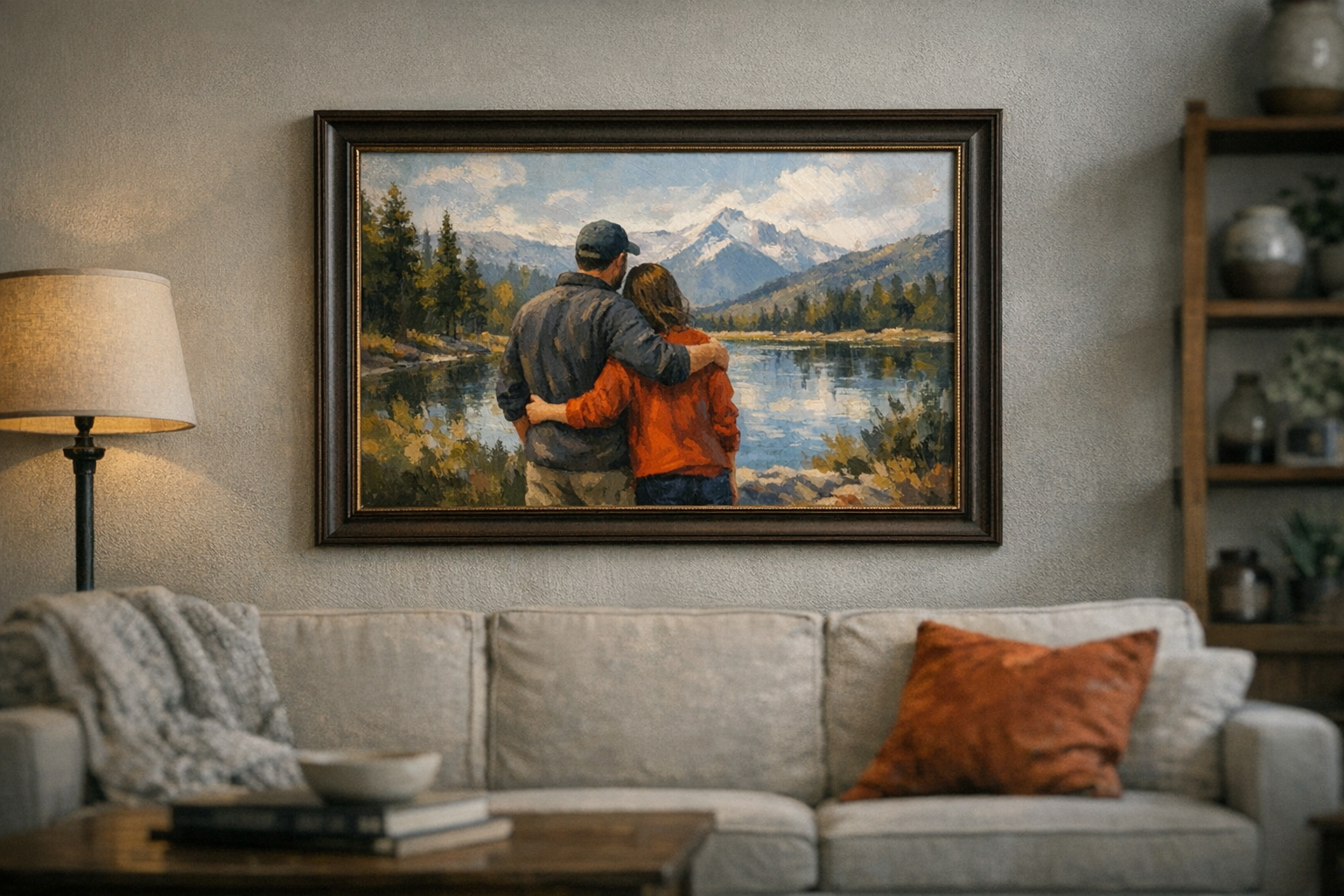

Transform Your Photos into Stunning Art
Here is the thing about turning a photo into a painting: the one you love on your phone is almost never the one that makes a great portrait. You know the shot — your dog mid-yawn, your kid blurry in motion, the group photo where half the faces are in shadow. Those are keepers for your camera roll, but they do not convert well. A custom painting needs a photo that already does the heavy lifting — sharp, well-lit, and composed so the subject fills the frame without fighting the background.
When you decide to commission a custom painting from a photo, it is like inviting a piece of art history into your home. The styles you can choose from are as varied as the subjects themselves — Baroque drama with warm light and deep shadows, royal court traditions where your pet could join the ranks of very serious-looking dogs at the Rijksmuseum, or softer watercolor approaches that let the photo breathe. Your pet could easily be immortalized in a style that is both legitimate and fun.
The process is simpler than most people expect, but it starts with the right photo. If your favorite image has issues like blur or low resolution, it is worth finding an alternative. Trust me on this — the photo everyone gets wrong is the one they are emotionally attached to but technically cannot use. A clear shot at eye level with good natural light will always outperform a dramatic but fuzzy moment. This is the part people skip, and it shows in the final piece.
What Makes a Photo Worth Painting
The 30-second checklist: high resolution, good lighting, sharp focus, subject fills the frame, simple background, and five people or fewer. Pet portraits are particularly forgiving as long as the photo is clear and captures your pet at their eye level. The little details that sell it — a catch light in the eyes, soft shadows that add dimension, a background that does not compete — these are what separate a portrait worth framing from one that feels like a missed opportunity.
You do not need a professional setup or a studio. You need a moment when your subject is calm, the light is soft, and the background is not pulling focus. The shot that actually works is usually the one you keep coming back to — not because it is perfect, but because it feels like them. That is what you are painting: the version of your pet or your family that you want to keep in the room.
For pet memorial portraits, the stakes feel higher, and they are. A painting will not replace the presence of a lost pet, but it does keep their spirit in the room, offering a comfort that often means more than people expect. The era you choose, the light you select, the way you crop — all of it adds up to something that either feels right or does not. Let the photo breathe, and the painting will follow.
Understanding Custom Paintings
Here is the thing about custom paintings from your photo: they are not just prints or copies. A custom painting is an artistic interpretation of your image — the painter (or the process) takes what is in the photo and translates it into brushstrokes, texture, and a style that gives it a completely different life. That means the final piece will not be identical to the photo, and that is the whole point. The character comes from the interpretation.
What Makes a Painting Custom
When you commission a custom painting, you start with a single photo. A designer or artist uses that image as the foundation, then applies a style — maybe oil painting, watercolor, or something more dramatic like Baroque. The photo is the reference, but the painting is where the magic happens. You are not getting a replica; you are getting a version of your subject that feels painted, textured, and worth hanging.
Styles You Can Choose From
The style you pick changes everything. Oil paintings give you rich, warm tones and a classic look — think old-master portraits with depth and drama. Watercolor is softer and lighter, good for a gentler feel. Then there are the more theatrical options: Renaissance, Baroque, royal court styles. These are the ones with the glow, the shadows, the sense that your pet or loved one belongs in a museum. Baroque, for example, uses warm light and deep shadows to create that unfairly good look — a dog with soulful eyes in Baroque light is hard to beat.
If you want something playful but still legitimate, royal pet portraits are a solid choice. There is a long tradition of pets in court paintings — the Rijksmuseum has entire galleries of very serious-looking dogs that clearly belonged to nobility. Your pet can join their ranks, and it works because the tradition is real.
Why Custom Paintings Work as Personal Art
A custom dog painting or portrait of a person does something a photo on your phone cannot: it keeps them in the room. The painting becomes part of your space in a way that feels permanent and intentional. For memorials, this matters even more. A painting will not replace a lost pet, but it does keep their spirit present, and that comfort often means more than people expect. The piece you choose to hang is the one you will keep coming back to, so the style and the photo you start with both have to feel right.
The Process of Creating a Custom Painting
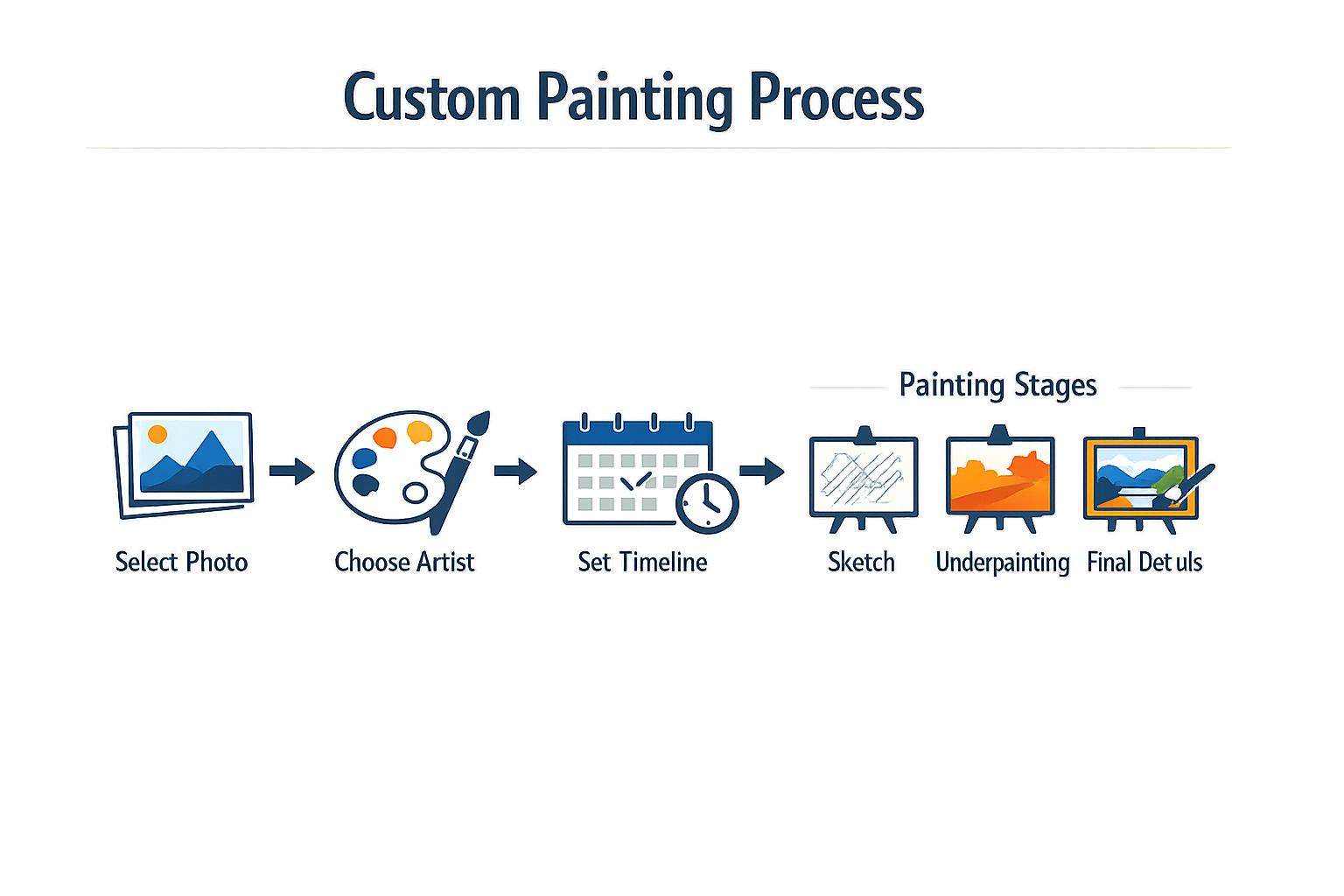
Here is the thing about commissioning a custom painting: the process is simpler than you think, but knowing what happens at each step keeps you from second-guessing yourself halfway through. You pick the photo, you choose the style, and then you wait — but the waiting part is where most people get anxious. Let me walk you through it so you know exactly what to expect.
Step One: Choose Your Photo and Style
The whole thing starts with the photo. This is the part people skip or rush, and it shows. You want a shot where the subject is clear, the light is good, and the expression feels right. Blurry, dark, or cropped-too-tight photos make the artist's job harder — and the final painting will feel like a compromise. Trust me on this: spend ten minutes picking the right photo now, and you will save yourself weeks of wishing you had chosen differently.
Once you have the photo, you pick the style. Renaissance, watercolor, royal portrait, oil painting — the era you choose changes everything. A dog with a serious face works beautifully in a Baroque style with warm light and deep shadows. A cat with big eyes might be better in something softer and more whimsical. The style should feel like them, not like a costume.
Step 1
Select the right photo
Pick a photo with good light, a clear subject, and an expression you love. Avoid blurry, dark, or heavily cropped images — they do not convert well into paintings.
Step 2
Choose a style that fits
Match the style to the subject. Serious pets suit dramatic, warm-lit styles like Baroque or royal portraiture. Playful or soft subjects work better in watercolor or lighter treatments.
Step Two: Work With the Artist
Once you submit your photo and style preference, the artist reviews it. Some services let you request adjustments — a different background, a specific color palette, or a tighter crop. This is your chance to get it right. If the photo has a distracting element in the background, ask if it can be simplified. If the lighting is flat, ask if they can add warmth or drama. Good artists know how to make these changes without losing what made the photo special in the first place.
You will usually get a preview or proof before the final painting is completed. This is not the time to be polite — if something feels off, say so. The goal is a portrait worth hanging, and that only happens when you speak up during the process.
Step Three: Understand the Timeline
This is where expectations matter. A hand-painted custom piece takes time — typically a few weeks, depending on the complexity and the artist's current workload. If you are ordering for a specific date (a birthday, a memorial, a holiday gift), build in extra time. Rushing a painting does not make it better; it just makes you anxious.
The timeline is not a countdown — it is the artist doing the work that makes the painting worth keeping.
If you are considering a custom dog painting from your photo, understanding the full process and timeline will help you plan ahead and avoid last-minute stress.
What Happens After Approval
Once you approve the preview, the artist completes the final painting. It gets packed carefully and shipped. When it arrives, give yourself a moment before you open it — this is the piece you have been waiting for. Unpack it slowly, check for any damage (rare, but it happens), and then decide where it goes. The right spot is usually at eye level, in a room where you spend time. Let the painting breathe — do not crowd it with other frames or clutter.
If something is wrong with the final piece, contact the artist or service immediately. Most reputable sources will work with you to make it right, but you have to speak up quickly.
Factors to Consider When Commissioning
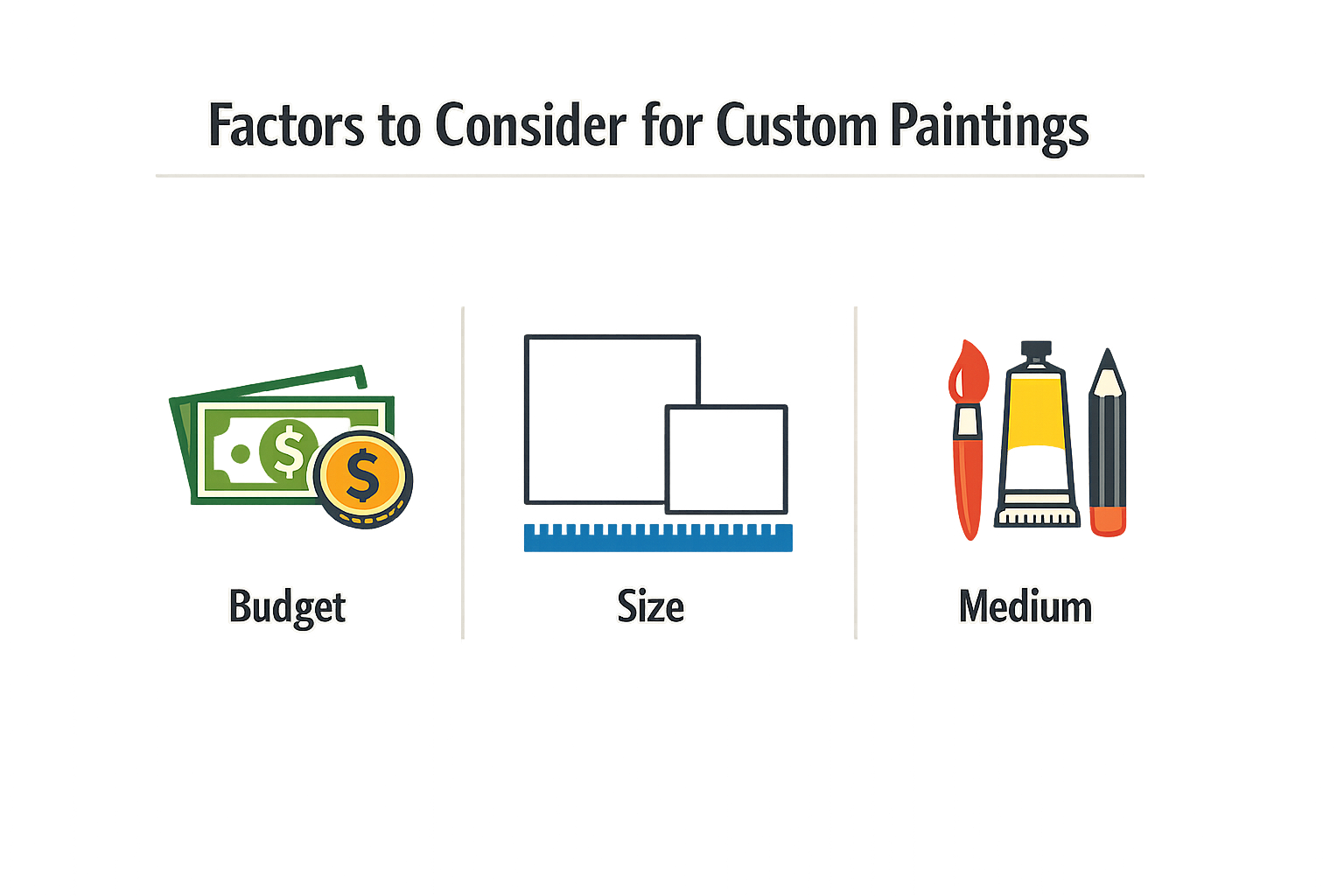
Here is the thing about commissioning a custom painting from your photo: the decisions you make before you start matter more than the ones you make after. The photo you choose, the size you pick, and the style you land on — these shape everything that comes next. Get them right, and you end up with something worth hanging. Get them wrong, and you are stuck with a piece that does not quite fit the wall or the moment you were trying to capture.
Choosing the Right Photo
The photo is where it all begins. If your favorite image has issues like blur or low resolution, it is worth finding an alternative. You want a shot that actually works — clear, well-lit, and showing the subject at their best. Good light does most of the work here. A photo taken in natural light, with your pet or person looking relaxed and engaged, will convert into a painting far better than something dark, grainy, or shot from an awkward angle.
This is the part people skip: they assume any photo will do, or they pick the one with the most sentimental weight rather than the one that will actually translate well to canvas. The photo everyone gets wrong is the one where the subject is too far away, or the lighting flattens their features. You will know it when you see it — the shot that makes you stop scrolling is usually the one that will make a great painting.
Size, Medium, and Format
Once you have the photo, think about where the painting will live. A small piece that works beautifully on a gallery wall might get lost above a couch. A large portrait needs room to breathe — both on the wall and in the frame. Common mistakes when ordering include selecting the wrong format for the intended wall area, so measure your space before you commit.
The medium matters too. Oil paintings have a richness and depth that feels traditional and timeless. Watercolor is soft, warm, and a little more delicate. The era you choose — whether it is something classic and formal or loose and impressionistic — should match the personality of the subject and the room where it will hang.
| Consideration | What to Think About | Why It Matters |
|---|---|---|
| Photo quality | Clear, well-lit, high resolution | Blurry or dark photos do not convert well |
| Size | Wall space, viewing distance | Too small gets lost; too large overwhelms |
| Medium | Oil, watercolor, mixed media | Each has a different feel and finish |
| Style | Renaissance, royal, modern | Should match the subject and the room |
Expectations and Communication
Set your expectations early. A painting is an interpretation, not a printout. The artist brings their own hand to the work, and that is what makes it art rather than a photograph. If you go in expecting an exact replica down to every whisker, you are setting yourself up for disappointment. Instead, look for an artist whose style you trust, and let them do what they do best.
Communication is everything. Be clear about what you want, but also be open to the artist's input. They know what works on canvas and what does not. If they suggest cropping the photo differently or adjusting the background, listen — they are trying to give you a better final piece.
For more guidance on selecting the right image, especially for memorial pieces, see How to Choose the Right Pet Memorial Portrait Photo.
Final Thoughts on Custom Paintings
Here is the thing about custom paintings from your photo: they do something a photograph cannot. People stop and look longer. They lean in. A painted portrait holds attention in a way that feels different — warmer, more deliberate, more like the subject is actually in the room with you.
The painting you commission is not a copy of the photo. It is an interpretation. That matters more than you might think. The artist makes choices — about light, about texture, about which details to emphasize and which to soften. Those choices give the portrait character. It becomes something you keep coming back to, not because it is perfect, but because it feels like the person or pet you love.
Caring for Your Custom Painting
Once you have it, treat it like the investment it is. Keep it out of direct sunlight — UV will fade pigments over time, especially in watercolor and acrylic. If it is an oil painting, let it cure fully before you frame it under glass (most oils need six months to a year). Dust gently with a soft, dry cloth. Never use water or cleaners on the surface.
If the painting is on canvas, avoid hanging it in humid spaces like bathrooms or basements. Canvas expands and contracts with moisture, and that can crack the paint layer. A climate-controlled room is ideal, but honestly, most living spaces work fine as long as the air is not extreme.
Where to Display It
The best spot is at eye level, in a room where you spend time. Hallways work, but they are pass-through spaces — you will not engage with the portrait as much. Living rooms, bedrooms, and home offices are better. You want it somewhere you can see it daily, not somewhere it becomes wallpaper.
If the portrait is a memorial, some people keep it in a quieter, more private space. That is fine. The right place is the one that feels right to you. There is no rule that says it has to be the first thing guests see. Pet memorial portraits are deeply personal, and where you hang them should reflect that.
Good light matters. Natural light is beautiful, but again, not direct sun. A picture light or a nearby lamp can make the painting glow at night. Test a few spots before you commit to the nail.
A painted portrait holds attention in a way that feels different — warmer, more deliberate, more like the subject is actually in the room with you.
Why It Is Worth It
You will know it when you see it. The moment the finished painting arrives, there is a weight to it that a photo does not carry. It is tangible. It is singular. No one else has this exact piece. The brushstrokes, the color choices, the way the artist saw your subject — all of it is yours.
People often say they wish they had done it sooner. Whether it is a portrait of a person you love or a pet who is no longer here, the painting becomes a way to keep them in the room. Not as a replacement, but as a presence. That is the part people do not always expect, and it is the part that matters most.
A custom painting from your photo is not just art. It is a way of saying: this matters. This face, this moment, this life — it is worth hanging on the wall. And trust me on this: once it is up, you will wonder why you waited.
Summary of Custom Painting Insights
Here is the thing about turning a photo into a painting: it is not magic, and it is not a gamble. You pick the photo that actually looks like them, you choose the style that fits the room and the personality, and you end up with something worth hanging. The process is straightforward — select your photo, decide on the era and finish, and let the artist do what they do best. The part people skip is thinking through where it will live and who will see it. A portrait that works in the hallway might feel wrong over the mantel, and a Baroque glow that makes your dog look regal might overwhelm a small bedroom. Trust me on this: the best portraits are the ones you keep coming back to, the ones that feel like the subject never left the room.
You will know it when you see it. The right painting does not announce itself — it just belongs. Whether you are commissioning a portrait as a gift, a memorial, or something to fill that empty wall you have been staring at for months, the process rewards the time you put into choosing the photo and the style. A painting will not replace the presence of a lost pet, but it does keep their spirit in the room, offering a comfort that often means more than people expect. The little details that sell it — the light in their eyes, the tilt of their head, the background that does not fight for attention — those are the things you notice every time you walk past.
If you are ready to move forward, start with the photo. Good light does most of the work, and a clean background keeps the focus where it belongs. From there, the style you choose sets the tone — Renaissance for drama, watercolor for soft and warm, royal portraiture for a little fun. The era you choose should feel like them, not like a costume. And once it is framed and on the wall, you will have something that does not just fill space — it anchors the room. If you are considering a custom dog painting or another pet portrait, the process is the same: pick the shot that actually works, let the photo breathe, and make it feel like them.
Related reading
Rainbow Bridge: What It Means and How Pet Owners Find Comfort