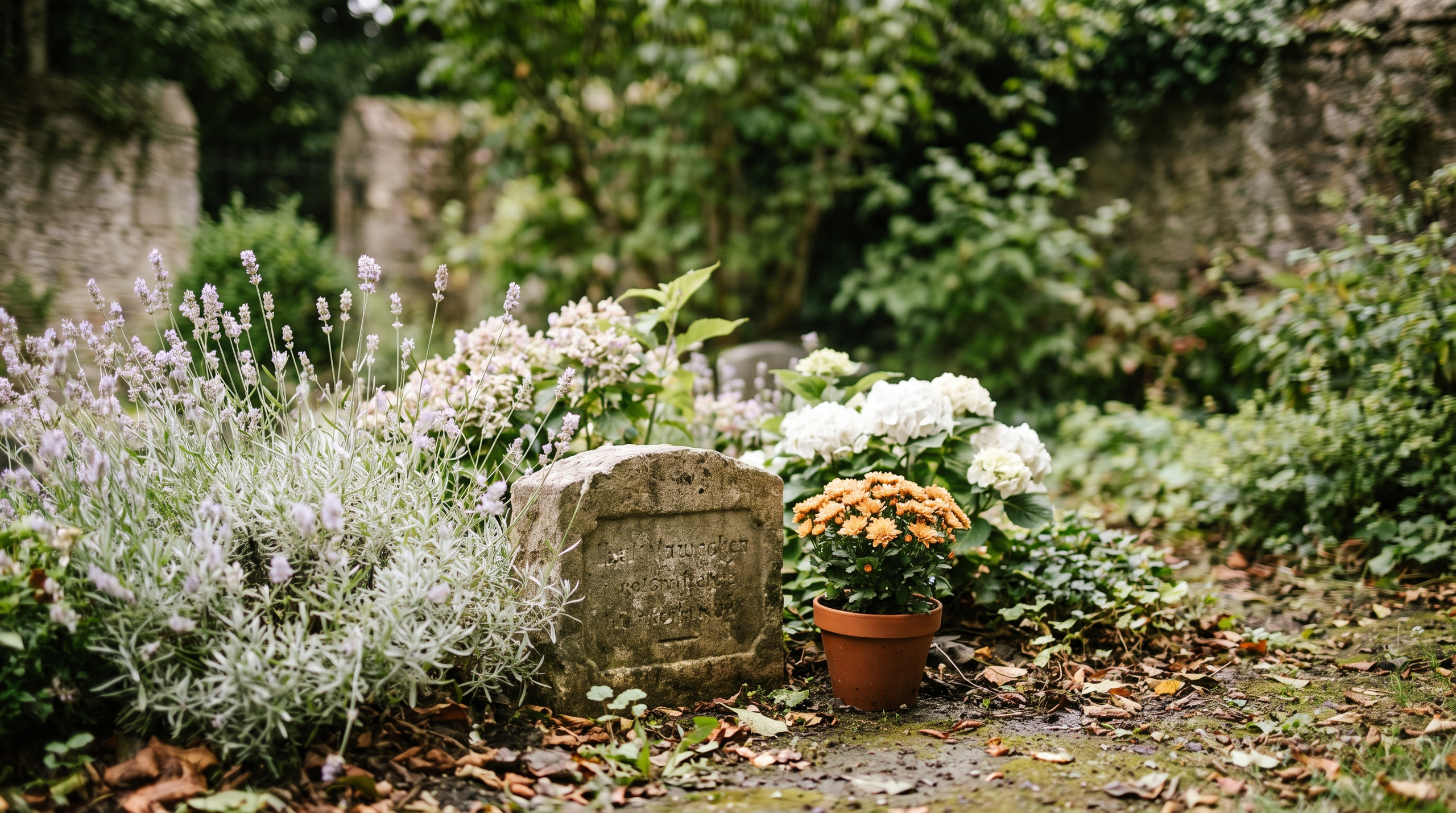

Introduction
Losing a pet is one of those heart-wrenching experiences that many of us go through. If you are here because you lost them, I am sorry. The bond people share with their pets has strengthened over the last several decades, and we commonly view pets as family. They are not just animals — they are the ones who greet you at the door, sleep at your feet, and somehow know when you need them most.
A portrait will not fix that. But it does keep them in the room, and that matters more than people expect. Pets provide significant emotional support, mental health benefits, and unwavering companionship, making their loss deeply felt. When I talk to people about memorializing their pets, I often suggest considering the art style that best captures their spirit — a Baroque style can bring out the soulful eyes of a dog with its dramatic lighting and warm glow, as if the essence of your pet is captured in a timeless moment.
Every year, thousands of families remember their pets on the World Day in Memory of Pets, lighting candles, sharing photos, and finding gentle ways to honor what they meant. This is not about moving on — it is about holding onto the love without letting the grief swallow you whole. Whether you choose a custom dog painting from your photo or a simple ritual that feels right, the goal is the same: to keep their memory alive in a way that feels true to who they were.
In this guide, we will walk through gentle, meaningful ways to remember your pet — from creative memorials and portraits to rituals that let you say goodbye on your own terms. You will know what feels right when you see it.
Understanding Grief After Losing a Pet
Here is the thing about losing a pet: the grief is real, and it hits harder than most people expect. You are not overreacting. You are not being dramatic. The bond you had with them was real, and the hole they leave is real too.
Why It Feels This Big
The grief you feel when you lose a pet can be just as intense as losing a close family member. They were part of your daily routine — the first face you saw in the morning, the reason you came home at a certain time, the one who sat with you when you were sad. That is not a small thing. When they are gone, the absence is everywhere.
Your pet did not judge you. They did not care about your bad days or your mistakes. They just loved you, and you loved them back. That kind of relationship does not have a replacement, and grieving it is not something you should rush through or apologize for.
The grief you feel for a pet is as real as any other loss — it deserves space, time, and gentleness.
What Grief Actually Looks Like
Grief is not one thing. It is a collection of emotions that show up in waves, sometimes predictable and sometimes out of nowhere. You might feel sadness, obviously. But you might also feel anger — at yourself, at the vet, at the unfairness of it all. You might feel guilt, replaying decisions and wondering if you could have done something differently. You might feel relief if they were suffering, and then feel guilty about the relief.
All of that is normal. Grief does not follow a script. Some days you will be fine, and some days you will cry in the middle of the grocery store because you saw their favorite treat. That is how it works.
Physically, grief can show up as exhaustion, trouble sleeping, or a heavy feeling in your chest. Your body is processing the loss too. Be gentle with yourself.
Giving Yourself Permission to Grieve
One of the hardest parts is that not everyone will understand. Some people will say things like, "It was just a dog," or "You can get another one." Those people do not get it, and that is okay — you do not need their permission to feel what you feel.
Grief does not have a timeline. There is no point where you are "supposed" to be over it. You will carry them with you, and over time the sharp edges of the loss will soften, but they do not disappear. That is not a bad thing. It just means they mattered.
If you are looking for a way to keep their memory close, a custom dog painting from your photo can be a way to honor them that feels tangible. It does not fix the loss, but it keeps them in the room with you.
Creative Ways to Memorialize Your Pet

Here is the thing: a memorial does not have to be big or expensive to matter. It just has to feel like them. The goal is not perfection — it is keeping them in the room, in whatever way makes sense to you.
Some people want something they can see every day. Others need a quiet ritual. Both are fine. What matters is that it feels right when you look at it or do it.
Creating a Memorial Space at Home
A memorial space can be as simple as a shelf or a corner of a room. You are not building a shrine — you are making a place where their memory lives.
Start with what you already have: their collar, a favorite toy, a photo you love. Add their urn if you have one, or a paw print if you made one before they passed. Some people include a flameless candle or fresh flowers. The point is not to follow a template — it is to gather the things that remind you of them in one place.
You do not have to set this up right away. Some people need weeks or months before they are ready. That is normal. The space will be there when you are.
Turning a Photo Into a Portrait
A portrait is one of those things that sounds formal until you actually hang it. Then it just feels like they are still here.
The photo you choose matters. You want the one you keep coming back to — the one where their expression is exactly right, where the light is soft and warm, where you can see their personality. That is the shot that actually works. If you are not sure which photo to use, look for good light and a clear view of their face. Those two things do most of the work.
Custom dog paintings from your photo can turn that everyday snapshot into something worth hanging. You do not need a professional studio shot — just a photo where they look like themselves. The style you choose — whether it is Renaissance, watercolor, or something softer — should match their personality. A dramatic dog might suit a royal portrait. A gentle cat might look better in something warm and understated.
The portrait becomes the thing you see every day. It keeps them in the room without feeling heavy.
Planting Something in Their Memory
Planting a tree or a flower bed in their name is one of those gestures that transforms grief into something that grows. It gives you a place to go, something to tend, and a living reminder that keeps changing with the seasons.
You do not need a big yard. A potted plant works just as well. Some people plant their pet's favorite flower. Others choose something that blooms around the time they passed. The ritual of planting — digging, placing the roots, watering — can be its own kind of goodbye.
It is not about the size of the memorial. It is about having a place where their memory lives.
If you have access to their grave or a memorial garden, visiting and tending the space becomes a quiet ritual. If you do not, the plant on your porch or in your living room does the same work.
Writing a Letter or Creating a Digital Album
Some people need to say the things they did not get to say. Writing a letter to your pet — about what you miss, what you remember, what you wish you could tell them — can help you process what losing a pet really means.
You do not have to share it with anyone. You can keep it, burn it, bury it, or tuck it into their memorial space. The act of writing is the point.
Digital photo albums are another way to gather their story in one place. Go through your phone, pull the photos that matter, and put them in an album you can look at whenever you need to. Some people add captions or dates. Others just let the photos speak. Both work.
The little details that sell it are the candid shots — the ones where they are mid-yawn, or sprawled in a weird position, or staring at you like you are late with dinner. Those are the ones you will come back to.
Other Small Gestures That Keep Them Close
Memorials do not have to be permanent or visible to count. Some people donate to an animal shelter in their pet's name. Others volunteer or foster in their honor. These gestures turn grief into something that helps another animal, which can feel like the right way to carry them forward.
You might also keep a small token with you — a tag on your keychain, a photo in your wallet, a paw print charm. It is not about showing anyone else. It is about having them with you when you need them.
Trust me on this: the memorial that works is the one you actually use. If it sits in a drawer or feels like a chore, it is not serving you. Keep it simple, keep it real, and let it be whatever you need it to be.
Rituals to Honor Your Pet's Memory
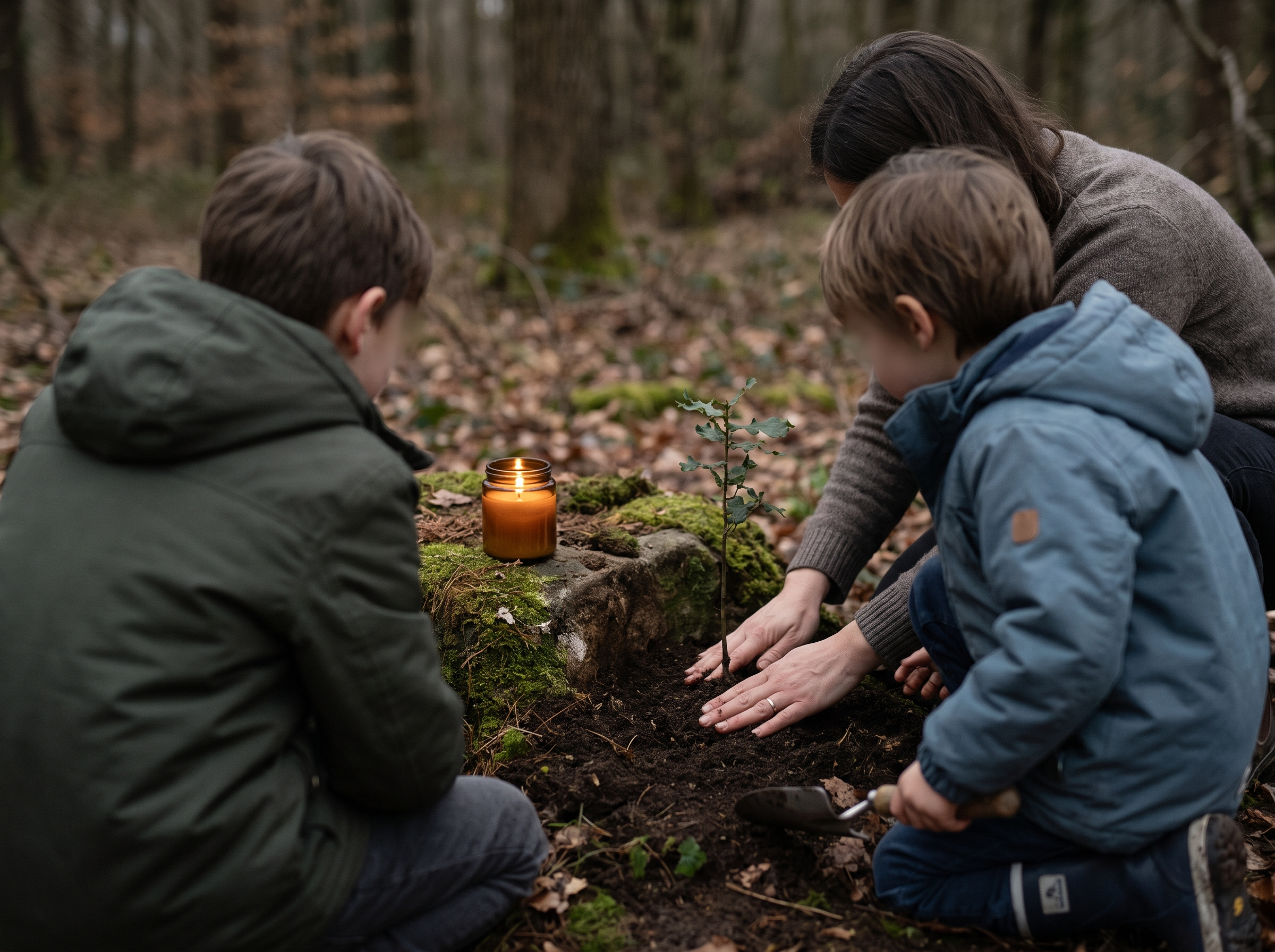
Rituals give shape to grief. They let you do something with your hands when your heart does not know what to do. A ritual does not have to be elaborate or formal — it just has to feel like yours.
The simplest ones work best. Write them a letter. Plant something in the yard. Light a candle on the anniversary. These small acts create a moment where you can sit with the loss instead of running from it.
Why Rituals Help
When you lose a pet, the days blur together. A ritual marks time. It gives you permission to pause and say their name out loud. That matters more than you think.
Simple rituals like drawing, writing, or putting together a memory box offer an emotional framework for grief. They do not erase the pain, but they give it somewhere to go. You are not just sitting with sadness — you are doing something that honors what they meant to you.
Rituals You Can Do at Home
Here are a few that people come back to:
- Write them a letter. Tell them what you miss. Thank them for the years you had. You do not have to keep it — some people burn it, some bury it, some tuck it in a drawer.
- Plant a tree or flowers. Something that grows where they used to be. It does not replace them, but it keeps their corner of the world alive.
- Create a memory box. Their collar, a favorite toy, the tag from their last vet visit. Things that still smell like them or remind you of a specific day.
- Light a candle on hard days. Birthdays, the day they left, the day you brought them home. A small flame that says you remember.
These rituals work because they are quiet and personal. No one else has to understand them.
Creating a Farewell Ritual
If you want something that feels more like closure, a farewell ritual can help. This is especially true if the loss was sudden or if you are still carrying guilt about how it happened.
A farewell ritual might look like:
- Scattering their ashes somewhere they loved to run
- Holding a small gathering with people who knew them
- Reading something you wrote or playing a song that reminds you of them
- Commissioning a custom dog painting or portrait that captures them at their best
The point is not to say goodbye forever. It is to mark the end of one chapter so you can carry them into the next without feeling stuck.
A ritual does not erase the loss — it gives you a way to hold it without breaking.
When the Loss Feels Complicated
Sometimes the way they left makes the grief heavier. If you had to make the call to let them go, you might be carrying guilt. If it was sudden, you might still be in shock. The form of the loss matters.
A ritual can help with that too. If you are struggling with the decision to euthanize, writing them a letter explaining why you chose what you did can ease some of that weight. If the loss was sudden, a ritual that lets you say the things you did not get to say can bring a little peace.
There is no wrong way to grieve, and there is no wrong ritual. The one that feels right to you is the one that works.
Finding Support During Grief
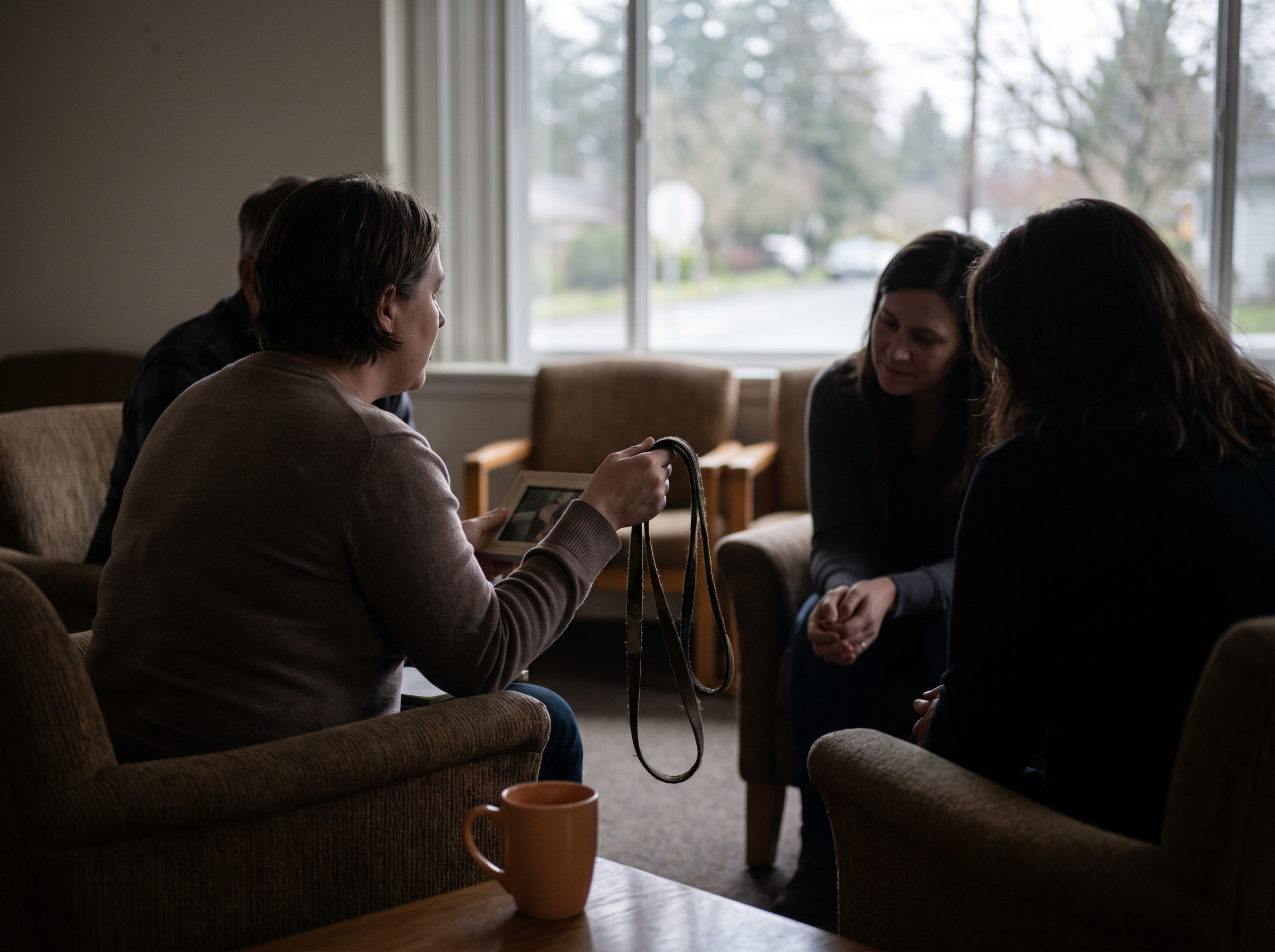
Here is the thing about losing a pet: the grief is real, but a lot of people will not treat it that way. You might hear "it was just a dog" or "you can get another one" — and that makes it worse. The pain does not need to be justified, and you do not need to hide it.
Many people who lose their dog or cat end up keeping their sadness private because they feel embarrassed or misunderstood. That isolation turns grief into what some call "invisible grief" — you are carrying it, but no one sees it. You do not have to do that.
Finding People Who Understand
The best support comes from people who have been there. Look for pet loss support groups, either in your area or online. These are spaces where no one will tell you to get over it or minimize what you are feeling. They understand that your pet was family.
Online forums and social media groups dedicated to pet loss can be surprisingly helpful. You can share memories, ask questions, or just read other people's stories when you are not ready to talk yet. Sometimes knowing you are not alone is enough.
What Helps (and What Does Not)
Experts recommend validating your own pain first. Your grief is not something to rationalize away — it is something to move through. Keeping basic routines helps too. Feed yourself, get outside, stick to a few small daily rituals even when you do not feel like it. Structure holds you together when everything else feels loose.
Some people find comfort in creating something tangible to honor their pet. A custom dog painting from your photo or a portrait in a style that captures their personality can give you a way to keep them present without pretending they are still here. It is not about replacing them — it is about keeping them in the room.
Your pet was family, and the grief you feel deserves the same respect as any other loss.
If the grief feels unmanageable — if you cannot eat, sleep, or function after a few weeks — talk to a therapist. Pet loss is a legitimate reason to seek professional support, and a good therapist will not make you feel silly for it.
You do not have to carry this alone, and you do not have to pretend it does not hurt.
Conclusion
Losing a pet is one of those heart-wrenching experiences that stays with you. If you are here because you lost them, I am sorry. A portrait will not fix that — but it does keep them in the room, and that matters more than people expect.
Grief does not mean you are weak. It is proof that you loved deeply, and that bond can still bring comfort in time. The rituals you create, the photos you choose to frame, the quiet moments you set aside to remember them — all of it matters. There is no timeline, no right way to do this. Some people need a memorial portrait immediately. Others wait months or even years. Both are fine.
When I talk to people about memorializing their pets, I often suggest considering the art style that best captures their spirit. A custom dog painting from your photo can bring out the soulful eyes and personality you remember, with dramatic lighting and a warm glow that feels timeless. There is a rich tradition of royal pets in court portraits — the kind you see in old galleries — and that same dignity can make your companion feel like they belong somewhere permanent and beautiful.
Grief doesn't mean you're weak — it's proof that you loved deeply, and that bond can still bring comfort in time.
The photo you keep coming back to, the one that feels most like them — that is the one worth hanging. Let it breathe. Let it remind you of the good days, the walks, the way they looked at you. Keep them in the room. That is what a memorial portrait does, and it is enough.