
Introduction
Pet portrait backdrop ideas are the foundation of a meaningful portrait. The backdrop is not decoration — it is half the portrait. The setting you choose tells the story — whether your dog is regal, goofy, or dignified, whether your cat is a tiny monarch or a backyard explorer. Get the backdrop wrong and even a great photo feels off. Get it right and the portrait becomes the one you keep coming back to.
Most people skip this part. They pick a photo they love and assume the rest will work itself out. Then the portrait arrives and something feels missing — the background fights the subject, or it is so busy you lose the pet entirely, or it is so plain the whole thing feels flat. The backdrop is where you set the tone, and it does more work than you think.
This is not about staging a photoshoot or renting props. It is about choosing a setting that makes sense for your pet — one that feels like them, not like a stock photo. Whether you are working from a snapshot you already have or planning a new one, the backdrop is the part that turns a good portrait into one worth framing. By the end of this you will know exactly which settings work, which ones to avoid, and how to photograph your pet so the backdrop does what it is supposed to do — make your pet the star.
A portrait is not just a picture of your pet. It is a way to keep them in the room, and the backdrop is how you make it feel like home.
Why the Right Backdrop Matters
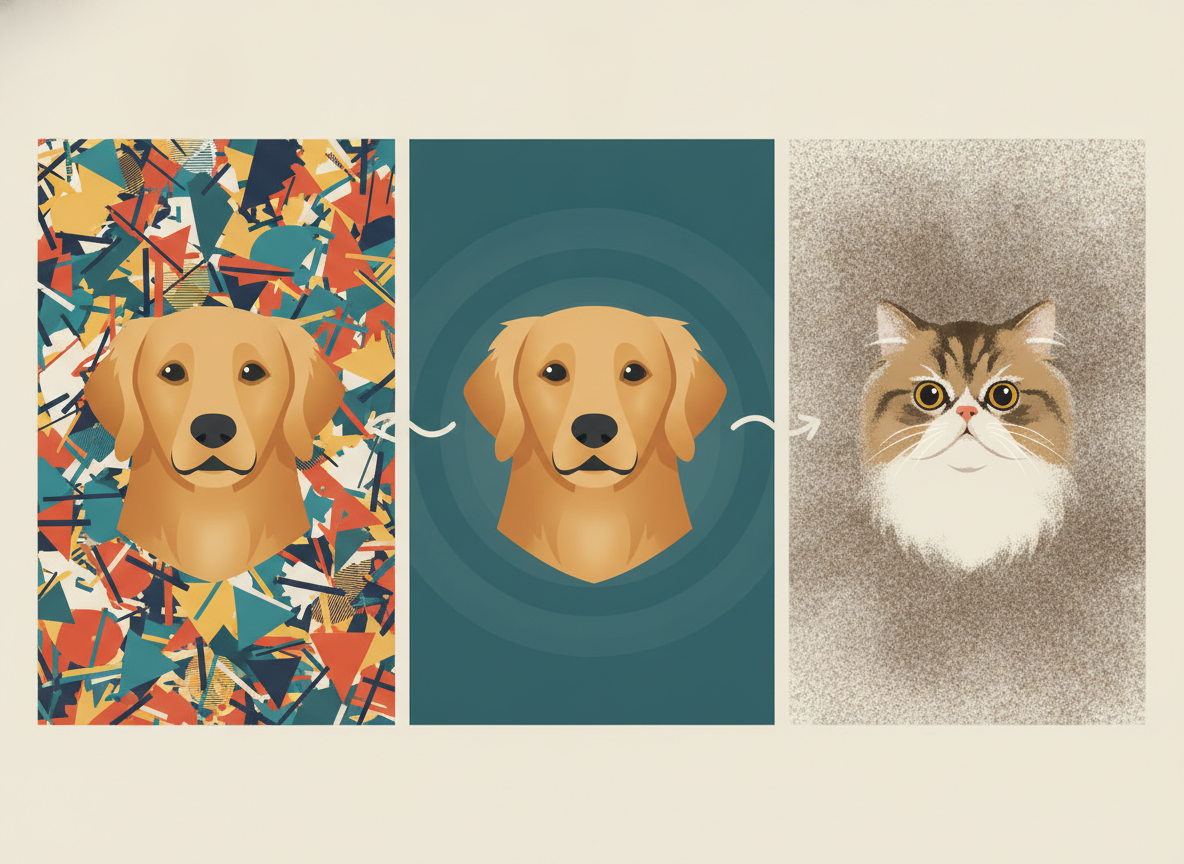
Here is the thing about backdrops: they either make your pet the star of the portrait, or they compete with them for attention. A good backdrop does not just fill the space behind your dog or cat — it sets the mood, tells a story, and makes the whole piece feel intentional. The wrong one? It pulls focus, clutters the frame, or makes a beautiful pet look like they are floating in nowhere.
The backdrop you choose changes how the portrait feels when you hang it. A warm, soft setting makes the piece feel intimate and personal. A dramatic or regal backdrop elevates it into something you would see in a gallery. A nature scene brings calm and timelessness. The backdrop is not decoration — it is part of the portrait itself, and it shapes how people feel when they see it on your wall.
The Backdrop Shapes the Story
Every backdrop tells a different story about your pet. A cozy home setting says, "This is the dog who lives here, who belongs here." A grand, old-master backdrop says, "This animal deserves to be painted like royalty." A simple, neutral background says, "Look at this face — nothing else matters." The backdrop you pick decides what the portrait is about.
When you are choosing a backdrop, ask yourself what you want the portrait to say. Is this a celebration of their personality — playful, dignified, mischievous? Is it a memorial piece that honors their place in your life? Is it a gift that captures a specific memory or feeling? The backdrop should support that story, not distract from it.
Backdrops Make the Portrait Feel Finished
A portrait without a thoughtful backdrop can feel incomplete, like something is missing. The backdrop gives the piece weight and context — it anchors your pet in a world instead of leaving them floating on a blank canvas. Even a simple, soft background adds depth and makes the portrait feel polished and worth hanging.
This is especially true for memorial portraits. A meaningful backdrop — a favorite park, a sunlit room, a peaceful garden — can turn a portrait into something that feels like your pet is still present, still part of the room. It is not just decor. It is a way to keep them close, and the backdrop plays a real role in that.
For more on capturing the right details in your photo before choosing a backdrop, see Two Pets in One Portrait: Photos That Actually Work.
The backdrop is not decoration — it is part of the portrait itself, and it shapes how people feel when they see it on your wall.
What Are the Best Pet Portrait Backdrop Ideas?
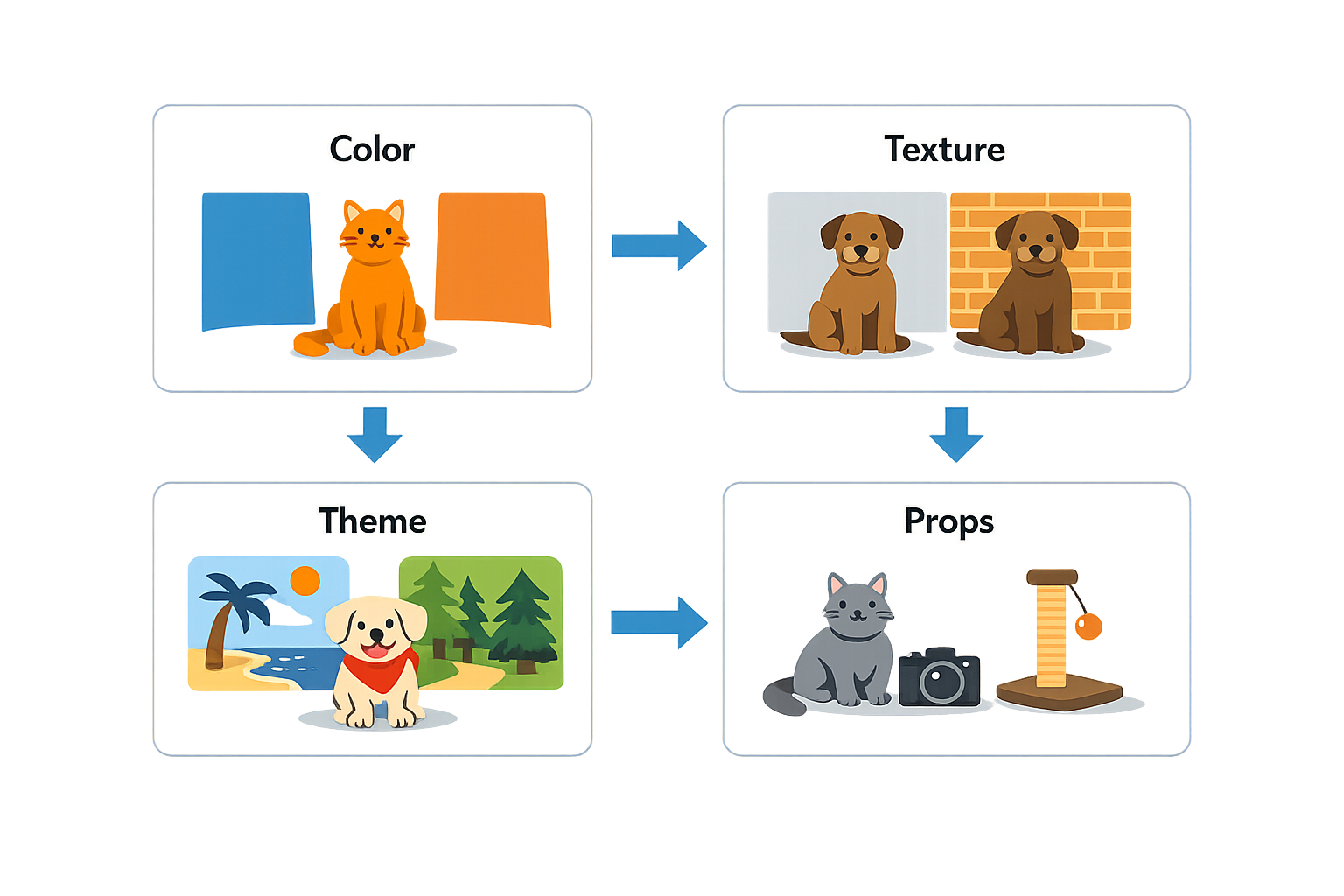
Pet portrait backdrop ideas range from simple home settings to dramatic outdoor scenes, and the best choice depends on your pet's personality and the story you want to tell. Here are the most effective backdrop ideas that work consistently:
Nature and outdoor settings — Gardens, meadows, forests, and beaches create timeless backdrops that suit adventurous pets. A sunlit garden works beautifully for watercolor styles, while a forest scene adds drama to oil paintings. These settings bring warmth and organic texture without overwhelming the subject.
Home interiors — The couch where your dog naps, the sunny window spot your cat claims, or a favorite room creates intimate, personal backdrops. Home settings work especially well for memorial portraits because they capture your pet in the space they made theirs. A simple living room or bedroom backdrop feels authentic and worth hanging.
Regal and vintage settings — Rich fabrics, library backgrounds, ornate furniture, and old-master-style interiors suit dignified pets and Renaissance portrait styles. Deep jewel tones, velvet textures, and architectural details add gravitas without requiring an actual photoshoot — artists can paint these elements into the backdrop.
Neutral and gradient backgrounds — Soft, clean backgrounds in warm or cool tones keep all attention on your pet's face and coat. A subtle vignette or gentle gradient adds depth without distraction. Neutral backdrops work for any style and any pet, making them the safest choice when you are unsure.
Seasonal and thematic settings — Autumn leaves, winter snow, spring blossoms, or summer sunshine can anchor a portrait in a specific memory or time of year. These work best when the season matches a real moment you shared with your pet, not as decoration for decoration's sake.
The best pet portrait backdrop ideas come from places that already matter to you and your pet. If you're working from an existing photo, see using an old or printed photo for a pet portrait for tips on making the most of what you have.
How Do You Choose Pet Portrait Backdrop Ideas?
Okay, here is the thing: the backdrop is not decoration. It is the frame that tells the story. A good backdrop makes your pet look like themselves — the version you see when you catch them in that one perfect moment. A bad one turns them into a stranger wearing their collar. Let me walk you through how to get it right.
Step 1: Start With a Place That Means Something
Step 1
Pick a meaningful location
Think about where your pet is most themselves. The corner of the couch where they nap every afternoon. The park where they lose their mind over squirrels. The sunny spot by the window. If the place matters to them — or to you — it will show in the portrait. The backdrop should feel like home, not a studio.
This is not about fancy. It is about familiar. A portrait of your dog in the yard they patrol every morning will always beat a generic outdoor scene that could be anywhere.
Step 2: Match the Backdrop to Their Personality
Step 2
Let the setting reflect who they are
A dignified older cat might suit a quiet library or a velvet armchair. A puppy who has never met a mud puddle they did not love? Give them a garden, a field, something that lets them be the chaos they are. The backdrop is not just scenery — it is character work.
If you are stuck, ask yourself: what is the one thing this animal does that makes everyone laugh? Build the backdrop around that energy.
Step 3: Keep the Background Simple and Clean
Step 3
Avoid clutter and distraction
The backdrop should support your pet, not compete with them. A busy background — patterned wallpaper, a crowded bookshelf, a cluttered countertop — pulls the eye away from the subject. You want soft, warm, and a little dramatic, not a game of Where's Waldo.
If you are working from a photo, check the background before you commit. Can you use a blurry photo for a pet portrait? Sometimes yes — but only if the background is not fighting the subject.
Step 4: Consider the Era You Choose
If you are going for a Renaissance or royal portrait style, the backdrop needs to match the mood. Rich, warm tones. A hint of old-world elegance — think velvet drapes, a carved chair, a stately room. For watercolor or softer styles, a garden or a sunlit room works beautifully. The backdrop and the painting style should feel like they belong together.
Step 5: Frame the Memory, Not Just the Image
Step 5
Make it personal
The best backdrops are the ones that carry a memory. The beach where you spent every summer. The armchair they claimed as their own. The backyard they ruled. When you look at the portrait, you should feel the moment, not just see it.
A portrait worth framing is one that keeps them in the room — not as they were everywhere, but as they were right there, in that one place that mattered.
This is especially true for memorial portraits. The backdrop is not decor. It is a way to hold onto the place they made theirs.
Tips and Tricks for Backdrop Selection
Here is the thing about backdrops — the one you think will be dramatic often ends up looking busy, and the one you almost skip turns into the portrait you keep coming back to. Trust me on this: simple wins more often than you expect.
Start by thinking about what you want the viewer to look at first. If your dog has those big soulful eyes, a plain neutral backdrop keeps the focus exactly where it belongs. If your cat has a wild tortoiseshell coat, a soft gradient or a muted texture lets that pattern shine without competing for attention. The backdrop should support your pet, not steal the show.
Match the backdrop to their personality
Your pet already has a vibe. A regal Great Dane might look incredible against deep jewel tones or a library setting — something that feels old-master and a little dramatic. A goofy golden retriever? Maybe a sunlit meadow or a cozy living room scene that feels warm and approachable. The era you choose should feel like them, not like a costume.
If you are working from a favorite photo, look at what is already in the frame. Sometimes the best backdrop is the one that was there all along — your backyard, the couch they claimed as their throne, the spot by the window where the light hits just right. Let the photo breathe. If the background in your shot is already clean and meaningful, you might not need to change a thing.
Keep it worth hanging
A portrait is not decor if it does not feel like it belongs in your home. Think about where this will actually go. If your walls are light and airy, a dark moody backdrop might feel out of place. If your space leans traditional, a clean vintage library or a soft outdoor scene will fit right in. If you love bold modern interiors, try a jewel tone or an abstract wash of color that complements your palette.
The little details that sell it are often the ones you almost miss. A hint of texture — stone, fabric, foliage — adds depth without clutter. A soft vignette around the edges keeps the eye on your pet. And good light does most of the work: if the backdrop has a natural glow or a gentle shadow, the whole portrait feels more expensive.
Make it feel like them
This is the part people skip: they pick a backdrop they like instead of one their pet would like. Your shy rescue might look lost in a grand ballroom but perfect in a quiet garden corner. Your bold terrier might own a Renaissance hall but feel wrong in something too soft and dreamy. The backdrop should feel like an extension of who they are, not a set they wandered onto by accident.
If you are stuck between two options, ask yourself which one you will still love in five years. Trends come and go, but a portrait that feels timeless — soft, warm, and a little dramatic — never stops working. For more ideas on creating portraits that feel cohesive and intentional, see Pet Gallery Wall: Gallery Walls With Pet Portraits - Design Ideas &.
The backdrop should feel like an extension of who they are, not a set they wandered onto by accident.
One last thing: do not overthink it. If a backdrop makes you smile the second you see it paired with your pet's face, that is the one. You will know it when you see it, and that instinct is almost always right.
Conclusion
Here is the thing about backdrops: they are not decor. They are the frame that makes your pet feel like themselves in the portrait you hang. A good backdrop does not fight for attention — it lets your pet be the whole story while adding just enough context to make the piece feel intentional, warm, and worth keeping on the wall.
You do not need a studio or a complicated setup. You need good light, a clean background, and a choice that feels right for your pet. Renaissance works for the regal ones. Nature scenes suit the adventurers. Home settings keep it personal. The pet portrait backdrop ideas you choose should make you think, "That is exactly them."
If you are working with a photo of a pet who has passed, the backdrop becomes even more important. It is not just about what looks good — it is about keeping them in the room the way you remember them. One of the most comforting ways to think about grief is continuing the bond; rather than letting go of someone we have loved, we find new ways to carry them with us. A portrait with the right backdrop does that work quietly and well.
Trust your instinct. If a backdrop makes you pause and look twice at the photo, that is the one. If it feels off, it will feel off on the wall too. The goal is simple: a portrait that looks like your pet, feels like your home, and belongs exactly where you hang it. For more ideas on displaying your finished piece, see where to hang a pet portrait for tips on light, height, and the rooms that work best.
Now go find that photo. You will know it when you see it.
Explore creative portrait backdrop ideas for your pet's custom artwork to make it truly special and worth hanging.