Introduction
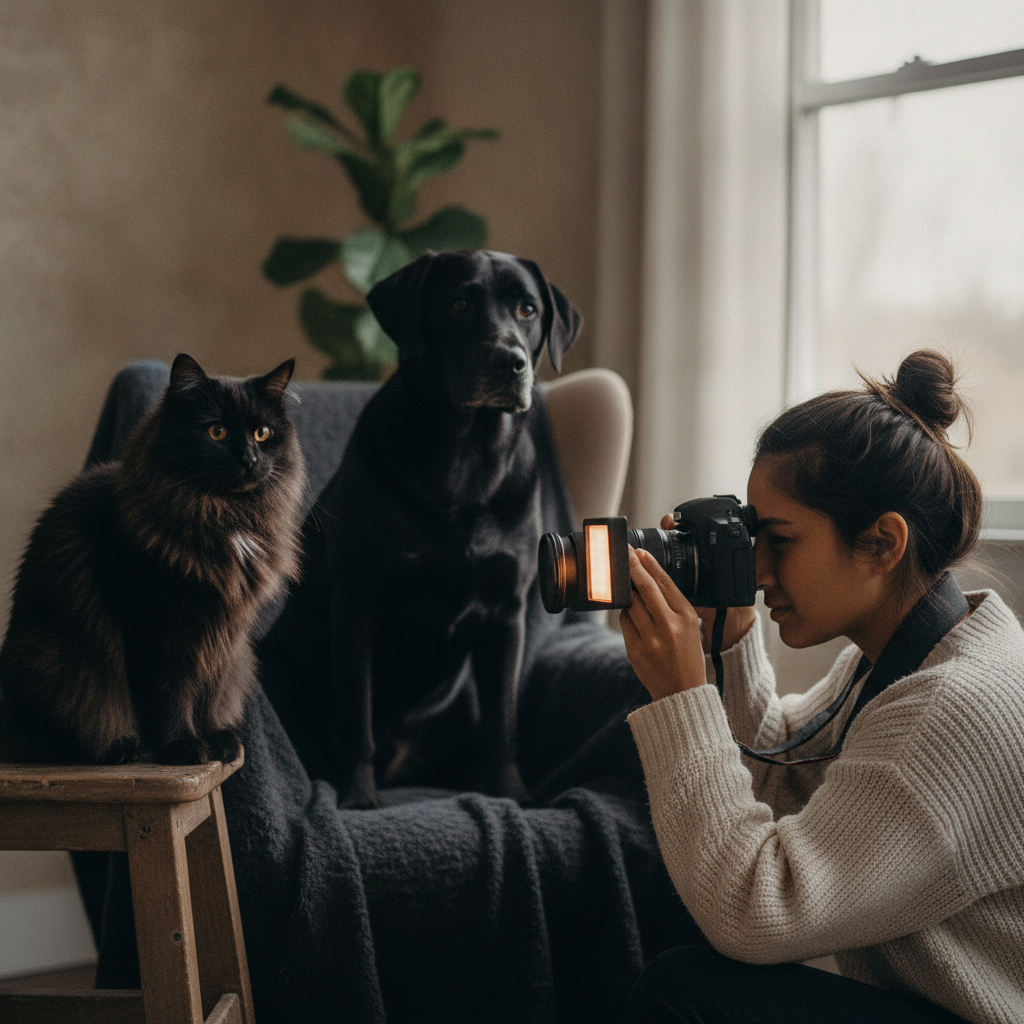
Two Pets in One Portrait photography is harder than it looks: the shot that works is almost never the first one you take. One looks at the camera, the other does not. One sits still, the other bolts. You get them both in the frame, but the light is wrong or someone blinks or the whole thing just feels off.
You want a portrait that actually looks like them — not a generic pair of animals, but the two who nap together, steal each other's toys, and have their own little routine. That is the whole game, and it is easier than you think once you know which photo to start with.
Many people treasure the chance to celebrate the pets they love, and a portrait of two together captures something you cannot get any other way. By the end of this you will know exactly how to choose and shoot the photo that makes a portrait worth hanging — one that feels like them, keeps them in the room, and does not require a professional setup.
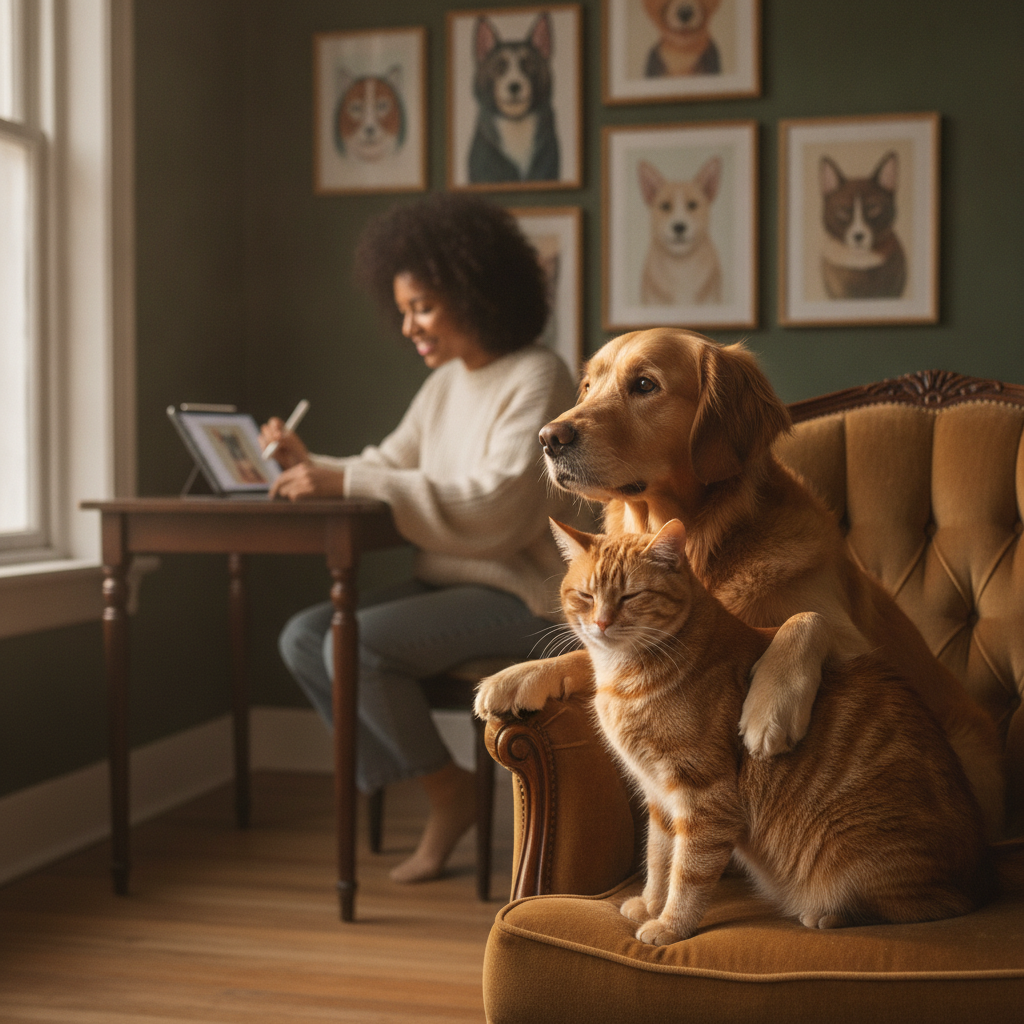
If you are thinking about turning your pet photo into art, starting with a strong two-pet photo gives you a portrait that does justice to both of them.
Table of Contents
- The Challenge of Capturing Two Pets Together
- Steps to Create a Stunning Portrait of Two Pets
- Tips and Tricks for Successful Pet Portraits
- FAQ
- Conclusion
The Challenge of Capturing Two Pets Together
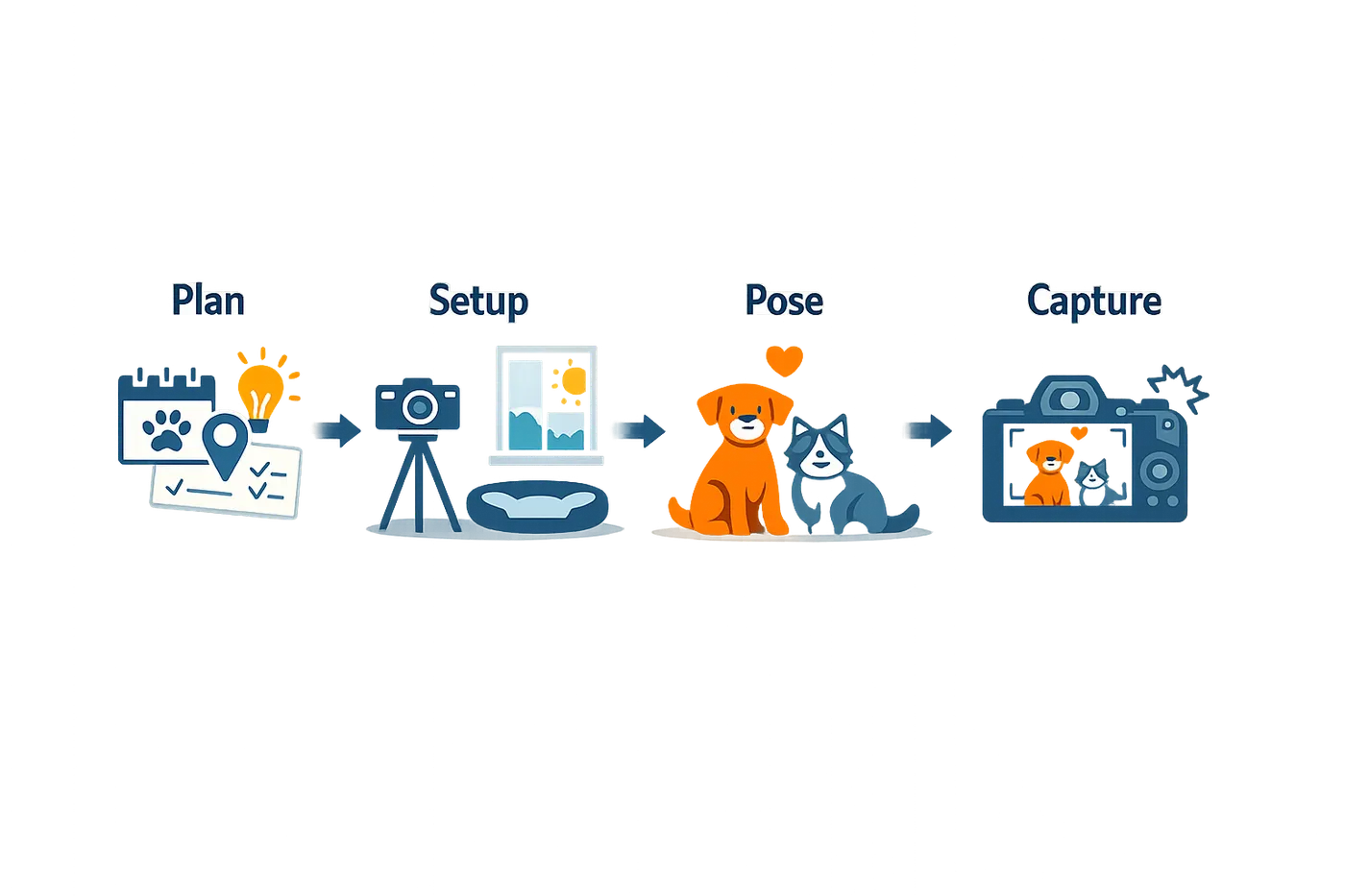
Here is the thing about Two Pets in One Portrait: the photo you love on your phone is almost never the one that makes a great portrait. One pet looks perfect, the other is mid-blink. One is staring at the camera, the other is checking out a bird. You want something that actually looks like them — not two strangers who happen to share a frame.
The problem is not your camera. The problem is that pets do not hold still on command, and when you add a second personality to the mix, the odds of both looking good at the same moment drop fast. You are not trying to win a photography contest — you just want a shot where they both look like themselves, in the same second, without one of them looking like they are plotting an escape.
Why Are Two Pets Harder Than One?
With one pet, you wait for the moment. With two, you are waiting for two moments to line up. That is the whole game. One dog might be calm and patient, the other is a ball of energy. One cat tolerates the camera, the other treats it like a personal insult. The chemistry between them matters too — if they are not used to being close, the photo will show it.
Then there is the practical stuff. Two pets means two sets of eyes to catch the light, two expressions to coordinate, two bodies to fit in the frame without one overshadowing the other. You are juggling focus, framing, and timing all at once. The shot that actually works is the one where all three come together — and that takes more than luck.
The Setup Most People Skip
Most people try to wing it. They call both pets over, hold up the phone, and hope. That works maybe one time in fifty. The rest of the time, you get one pet in focus and the other as a blur, or both staring in different directions, or one looking annoyed because the other just stepped on their tail.
The part people skip is the setup. Where are they sitting? What is behind them? Is the light hitting both faces, or is one in shadow? Are they at the same eye level, or is one towering over the other in a way that throws off the whole composition? These are the little details that sell it, and if you skip them, the portrait feels off even if you cannot say why.
The cheapest fix for a bad two-pet photo is not editing — it is five more minutes of setup before you press the button.
You also need a plan for keeping their attention. One treat works for one pet. Two pets means two motivations, and they are not always the same. One might work for food, the other for a favorite toy. One might need you to be quiet, the other needs you to be loud and excited. Figuring that out before you start shooting saves you twenty failed attempts.
The good news is that once you know what to watch for, the whole process gets easier. You stop trying to force the perfect moment and start recognizing it when it shows up. That is when you get a portrait worth framing — one that actually feels like both of them, together, the way you see them every day.
Steps to Create a Stunning Portrait of Two Pets
Here is the thing about shooting Two Pets in One Portrait: you need a plan before you even pick up your phone. The photo everyone gets wrong is the one where they just hope both animals will cooperate at the same time. That almost never happens. Instead, think through the setup, the timing, and what you actually want the portrait to show — their bond, their personalities, or just the fact that they exist in the same room without chaos.
Step 1: Get Them Comfortable Together First
Step 1
Let them settle in the same space
Before you worry about the photo, make sure both pets are relaxed around each other. If they are new to sharing space, give them time to adjust. Let them sniff, sit near each other, and find their own distance. A portrait works when they look natural together — not like two strangers forced into a frame.
This is the part people skip. They rush the shot and end up with one pet staring at the door and the other halfway out of frame. Trust me on this: a few minutes of letting them settle will save you twenty minutes of frustration.
Step 2: Choose the Right Spot and Light
Good light does most of the work. Find a spot with soft, natural light — near a window is ideal, or outside in the shade during golden hour. Avoid overhead lights that cast harsh shadows, and skip the flash entirely unless you want two glowing demon eyes.
The background matters too. Keep it simple. A plain wall, a couch, a patch of grass — anything that does not compete with your pets. You want the focus on them, not the pile of laundry in the corner.
Step 3: Use Treats, Toys, or a Second Person
Step 3
Get their attention at the same time
This is where a helper makes all the difference. One person holds the treat or toy just above the camera, the other person shoots. You need both pets looking in the same general direction at the same moment — it does not have to be perfect, but it has to be close.
If you are solo, prop your phone on something stable, set a timer, and hold the treat yourself. Take a dozen shots. One of them will be the one you keep coming back to.
Step 4: Shoot More Than You Think You Need
Pets move. They blink, they look away, they decide the floor is suddenly fascinating. Shoot in burst mode if your phone has it. Take twenty photos to get two good ones. That is normal. The shot that actually works is usually the one you almost missed — the moment right after they both glanced up, or the second before one of them bolted.
Step 5: Review and Choose the Photo That Feels Like Them
Once you have your batch of photos, look for the one where both pets look like themselves. Not the one where they are perfectly still, but the one where their personalities show. Maybe one is calm and the other is alert. Maybe they are both mid-yawn. The portrait worth framing is the one that makes you smile because it feels true.
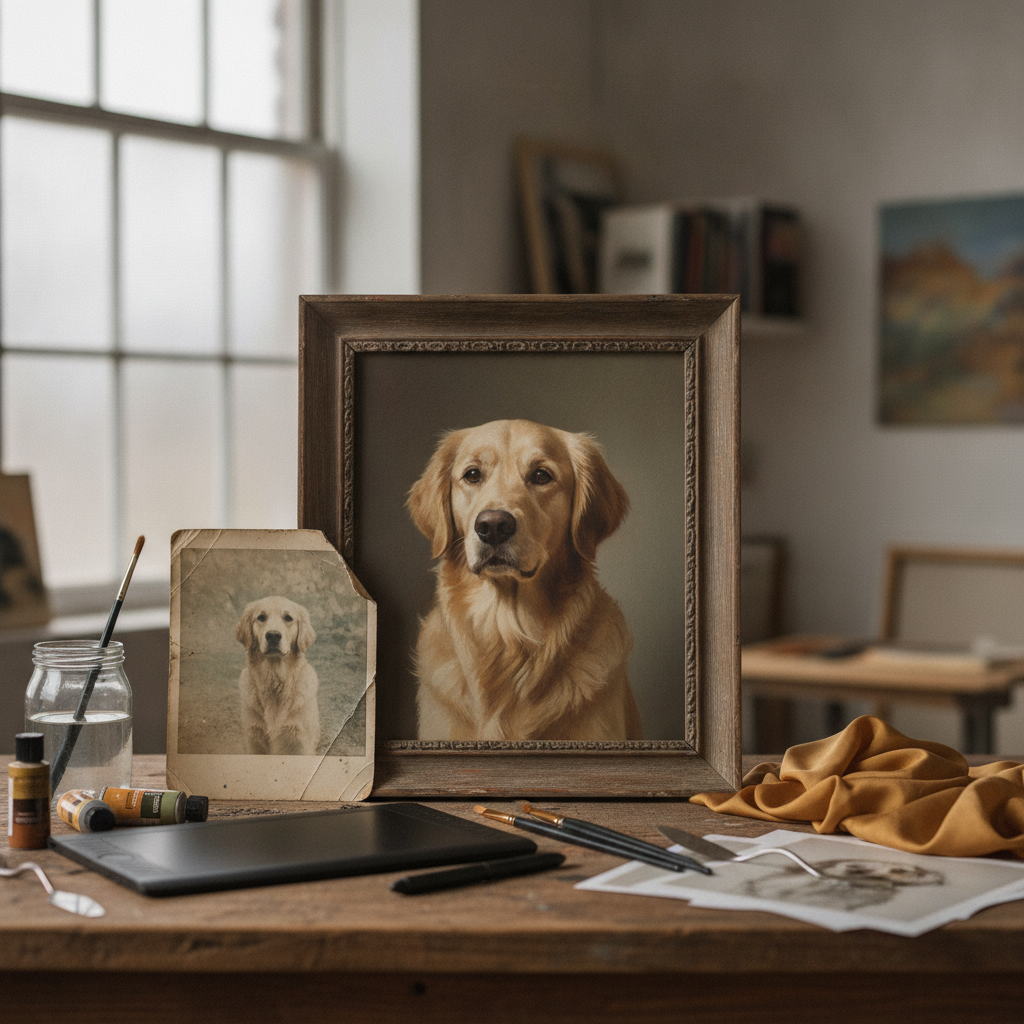
If you are planning to turn your pet photo into art, this is the photo you want — the one with good light, clear expressions, and a composition that will translate well into a painting. Understanding how long a custom painting takes helps you plan ahead if you want the portrait ready for a special occasion.
Tips and Tricks for Successful Pet Portraits
Here is the thing: the technical stuff matters less than you think, and the stuff people skip matters way more. Good light does most of the work, but only if you let the photo breathe. A portrait worth framing comes down to a handful of small moves that keep both pets in the room — not just in the frame.
Lighting: Keep It Soft and Even
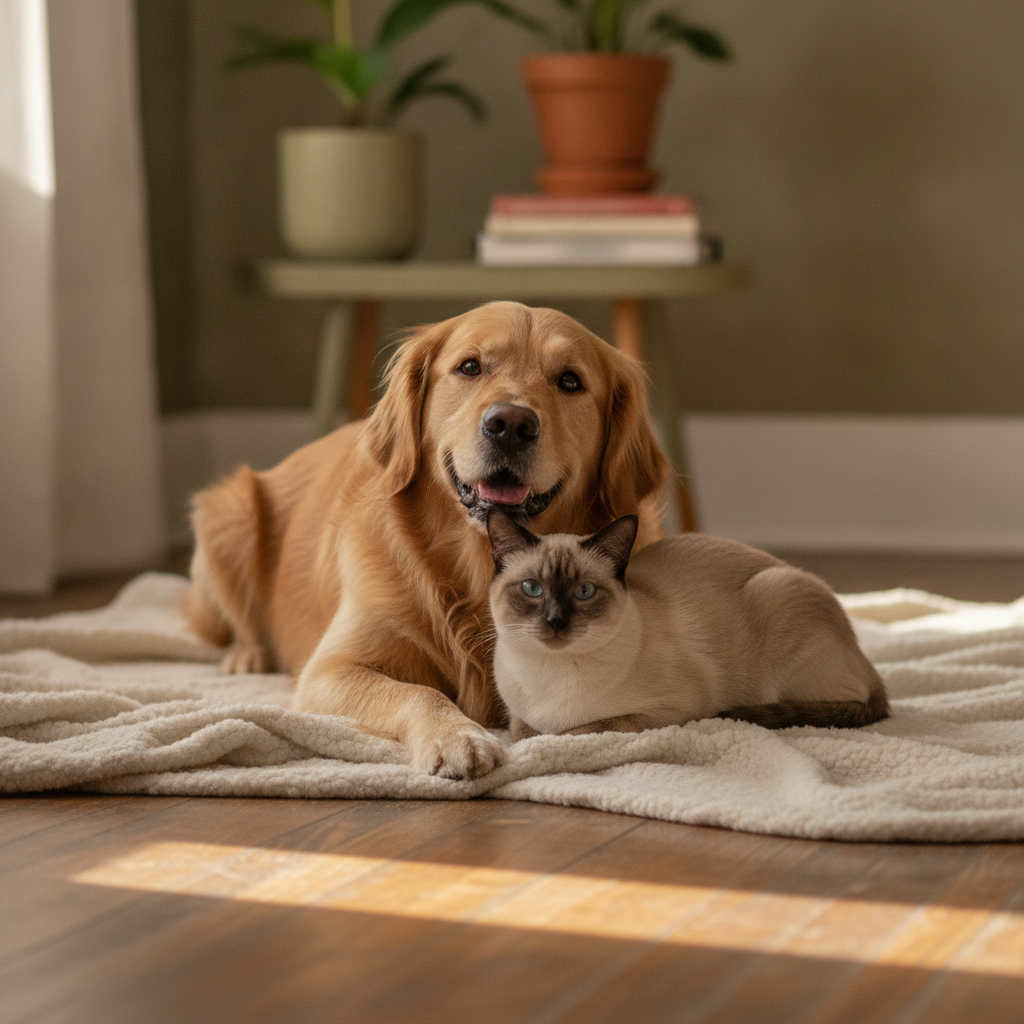
Natural light is your best friend. Position both pets near a window or outdoors in open shade — you want soft, warm, and a little dramatic, not harsh midday sun that makes one pet squint and the other disappear into shadow. If one pet is darker and the other lighter, aim for even light across both faces. The photo everyone gets wrong is the one where one animal glows and the other is a silhouette.
Angles: Get Down to Their Eye Level
Shoot at their eye level, not yours. Crouch, sit, or lie down so the camera is level with their faces. This is the part people skip, and it shows. A portrait shot from above flattens their features and makes them look like they are being scolded. At their eye level, you get expression, connection, and the little details that sell it — the way one leans into the other, or how their ears tilt in opposite directions.
If one pet is significantly larger, angle the camera so both faces are roughly the same size in the frame. You do not want one to dominate while the other becomes an accessory.
The shot that actually works is the one where both pets look like themselves — not strangers who happen to share a frame.
Expressions: Wait for the Moment
You will know it when you see it. The one you keep coming back to is almost never the first shot. Take a dozen, then take a dozen more. Wait for the moment when both pets are calm, alert, and looking somewhere near the camera — or at each other. A portrait does not need perfect eye contact; it needs to feel like them.
If one pet is anxious or distracted, let them settle. Forcing it just gives you tight ears and whale eyes. Treats, toys, or a familiar voice behind the camera can help, but patience does more than props.
Framing and Composition
Keep both pets close enough that they feel connected, but not so tight that the frame feels claustrophobic. Leave a little breathing room around their heads — especially if you are planning to turn your pet photo into art later, where cropping and framing choices matter even more.
If one pet is in front and one behind, make sure both faces are visible and sharp. A portrait where one is blurred or half-hidden does not work as a keepsake.
Background: Simple Wins
A clean, uncluttered background keeps the focus on your pets. A plain wall, a patch of grass, or a neutral sofa works better than a busy room with toys, cords, and laundry in the background. The background should support the portrait, not compete with it.
The Detail That Matters Most
This is the part people skip: make sure both pets are groomed and comfortable. Messy fur, visible collars with tags, or one pet panting while the other is calm — those details pull you out of the portrait. It does not have to be perfect, but it should feel intentional. You want something worth hanging, not something that makes you wince every time you walk past it.
If you love the bond your pets share, you might also appreciate learning about whether pets know they are loved — the same connection that makes a great portrait also shows up in how they interact with you every day.
Frequently asked questions
How do I get both pets to look at the camera at the same time?
Use a helper to hold a treat or toy just above the camera lens while you shoot. Take multiple photos in burst mode — one will catch both pets looking in the right direction.
What is the best lighting for Two Pets in One Portrait?
Soft, natural light works best. Position your pets near a window or shoot outdoors during golden hour (the hour after sunrise or before sunset) to avoid harsh shadows.
Should I use a professional camera or will my phone work?
Your phone works fine. Focus on good light, eye-level framing, and capturing natural expressions rather than worrying about equipment.
How many photos should I take to get one good shot?
Take at least twenty photos. Pets move, blink, and look away constantly — shooting more gives you better odds of capturing the right moment.
What background works best for a two-pet portrait?
Keep it simple: a plain wall, neutral sofa, or patch of grass. The background should not compete with your pets for attention.
Can I create a painted portrait from a phone photo?
Yes. A phone photo with good light, sharp focus, and clear expressions works perfectly for a custom painted portrait.
Conclusion
Here is the thing about Two Pets in One Portrait: the photo you end up hanging is not the one where both pets are staring perfectly at the camera. It is the one where you can see them — their bond, their quirks, the way they actually exist together. That is the shot worth framing.
You do not need perfect conditions or a studio setup. You need good light, a little patience, and the willingness to take thirty photos to get three keepers. The rest is just knowing what to look for: eye contact between them, relaxed postures, expressions that feel like them. Trust me on this — when you see the right shot, you will know it.
If you are thinking about turning that photo into a painted portrait, the effort you put into the source image pays off tenfold. A portrait painted from a photo where both pets look natural and engaged will always feel more expensive, more personal, more worth hanging than one where they look stiff or distracted. Turn Your Pet Photo Into Art: Every Style Explained walks through which painting styles work best for different types of shots — it is worth a look if you are planning to commission something.
The photo you keep coming back to, the one that makes you smile every time you scroll past it — that is your portrait. Go get it printed, painted, or framed. Let the photo breathe on your wall. These moments do not last forever, but a portrait worth framing does.